
Last updated on September 28th, 2026 at 06:02 pm
Mr. Eze taught mathematics in a village school for thirty years and never earned much, yet he set aside a little each month for one purpose. Today, a scholarship in his name has already sent forty students to university.
A philanthropic legacy is the lasting good you create by giving money, time, or skills to causes that continue after you are gone.
It is not reserved for billionaires, as Mr. Eze’s story shows, since steady, thoughtful giving at any income level can change lives for generations.
The sections below explain what a philanthropic legacy is, why giving benefits the giver as well as the receiver, and the main ways to give.
They also offer steps for planning your giving, measuring its impact, and avoiding common mistakes. Giving is one of the many kinds of legacy a person can leave.
Table of Contents
What Is a Philanthropic Legacy?
Philanthropy simply means giving for the good of others, and a philanthropic legacy is giving designed to keep doing good long after the gift is made.
It can take the form of money, but also time spent volunteering, skills offered for free, or land donated for a school or clinic.
Many African communities have long traditions of collective giving, from contributing to a neighbor’s medical bills to funding a village school through town unions.
A philanthropic legacy builds on that spirit, adding planning and consistency so the good lasts.
Why Giving Matters to the Giver Too
Giving appears to benefit the giver across cultures, according to research by Lara Aknin, Elizabeth Dunn, Michael Norton, and colleagues.
Using survey data from 136 countries, they found that spending money on others was associated with greater happiness in poor and rich countries alike.
Experiments in Canada, Uganda, India, and South Africa then suggested the link was causal, with people who gave or recalled giving reporting higher happiness.
Thinking about legacy also encourages giving, since a study by Lisa Zaval and colleagues found people prompted to reflect on how they wanted to be remembered donated more to charity.
Ways to Give
A philanthropic legacy can take many forms, and the table below compares the most common ones.
| Way to Give | What It Involves | Best For |
|---|---|---|
| Direct giving | Regular donations to causes or people in need | Anyone, at any income |
| Volunteering and skills | Offering time or professional skills for free | People with more time than money |
| Scholarships | Funding education for students who could not otherwise afford it | Long-lasting, measurable impact |
| Community projects | Boreholes, clinics, libraries, or school buildings | Communities with clear local needs |
| Giving circles | Pooling money with friends or colleagues to fund a shared cause | Multiplying small gifts |
| Bequests | Leaving a gift to a cause in your will | Giving after death without affecting current income |
| Foundations and endowments | Setting up a fund whose earnings support a cause permanently | Larger, long-term giving |
How to Build a Philanthropic Legacy
1. Clarify What You Care About
Start with the values behind your giving, such as education, health, faith, or fairness, and choose two or three causes that match them.
2. Start Where You Are
Give what you can now, even a small monthly amount, since consistent small gifts add up and build the habit.
3. Research Before You Give
Look for organizations that are transparent about finances, report real results, and are known in the community, and be wary of appeals that pressure you to give immediately.
4. Give Consistently
Regular giving lets organizations plan and can achieve more than occasional large gifts.
5. Involve Your Family
Let children help choose causes or volunteer beside you, turning generosity into a family legacy of giving.
6. Think Long Term
Consider a bequest in your will or a small endowed fund so your giving continues after you are gone.
7. Put Your Intentions in Writing
A clear note of what you want your giving to achieve, perhaps as part of a written legacy statement, guides those who manage it later.
8. Get Professional Advice
Bequests, foundations, and endowments involve legal and tax rules that vary by country, so speak with a qualified lawyer or financial advisor before setting them up.
Measuring the Impact of Your Giving
Good giving looks at outcomes, not just activities, so ask how many students graduated rather than how many forms were printed.
Ask organizations for simple reports, visit projects when you can, and speak with the people the giving is meant to help.
Review your giving once a year and shift support toward what is clearly working.
In my observation, the most effective givers stay humble and curious, listening to the communities they serve rather than deciding everything from a distance.
Challenges and How to Overcome Them
“I Do Not Have Enough to Give”
Small, regular gifts of money or time still matter, and giving circles let modest amounts combine into something significant.
Fraud and Mismanagement
Give through established organizations or trusted community structures, ask for accountability, and avoid sending money to unverified appeals online.
Creating Dependency
Giving that builds skills, businesses, or infrastructure tends to last longer than giving that only meets today’s need, although emergency help still matters in a crisis.
Giving for Recognition
Seeking praise is human, but giving that centers the donor rather than the recipients can distort priorities and embarrass the people it claims to help.
Family Disagreement
Discuss your giving plans openly with family, especially any bequests, so your wishes are clear and do not cause conflict later.
Examples of Philanthropic Legacy
Across Africa, large foundations such as the Tony Elumelu Foundation, which funds young entrepreneurs, show how giving can be designed to build self-reliance.
Yet most philanthropic legacies are smaller, like a retired nurse who funds a village clinic’s supplies, or a diaspora family that drills a borehole in their hometown.
Ideas like these also appear in the list of contribution goals worth setting, and anyone can start one this year.
Conclusion
Mr. Eze never had much money, but the forty students his scholarship sent to university prove a modest salary can fund an extraordinary legacy.
A philanthropic legacy is giving designed to keep doing good, through money, time, skills, bequests, or community projects, at any income level.
Research across 136 countries suggests giving also brings happiness to the giver, and careful checking, consistency, and professional advice help the good last.
This month, choose one cause that matches your values and set up a small, regular gift you can comfortably keep giving.
Frequently Asked Questions
What is a philanthropic legacy?
A philanthropic legacy is the lasting good you create by giving money, time, skills, or property to causes designed to keep helping people long after you are gone.
Do you need to be rich to leave a philanthropic legacy?
No, small regular gifts, volunteering, sharing skills, joining giving circles, or leaving a modest bequest in your will can all create real, lasting impact at any income level.
Does giving make people happier?
Research by Lara Aknin and colleagues across 136 countries linked spending on others with greater happiness in poor and rich countries, and experiments suggested the effect was causal.
How do I leave money to charity after I die?
You can name a charity in your will as a bequest or set up an endowed fund, but speak with a lawyer about the rules where you live.
This article is for general information only and is not legal, tax, or financial advice. Please consult a qualified professional before making decisions about bequests, foundations, or endowments.
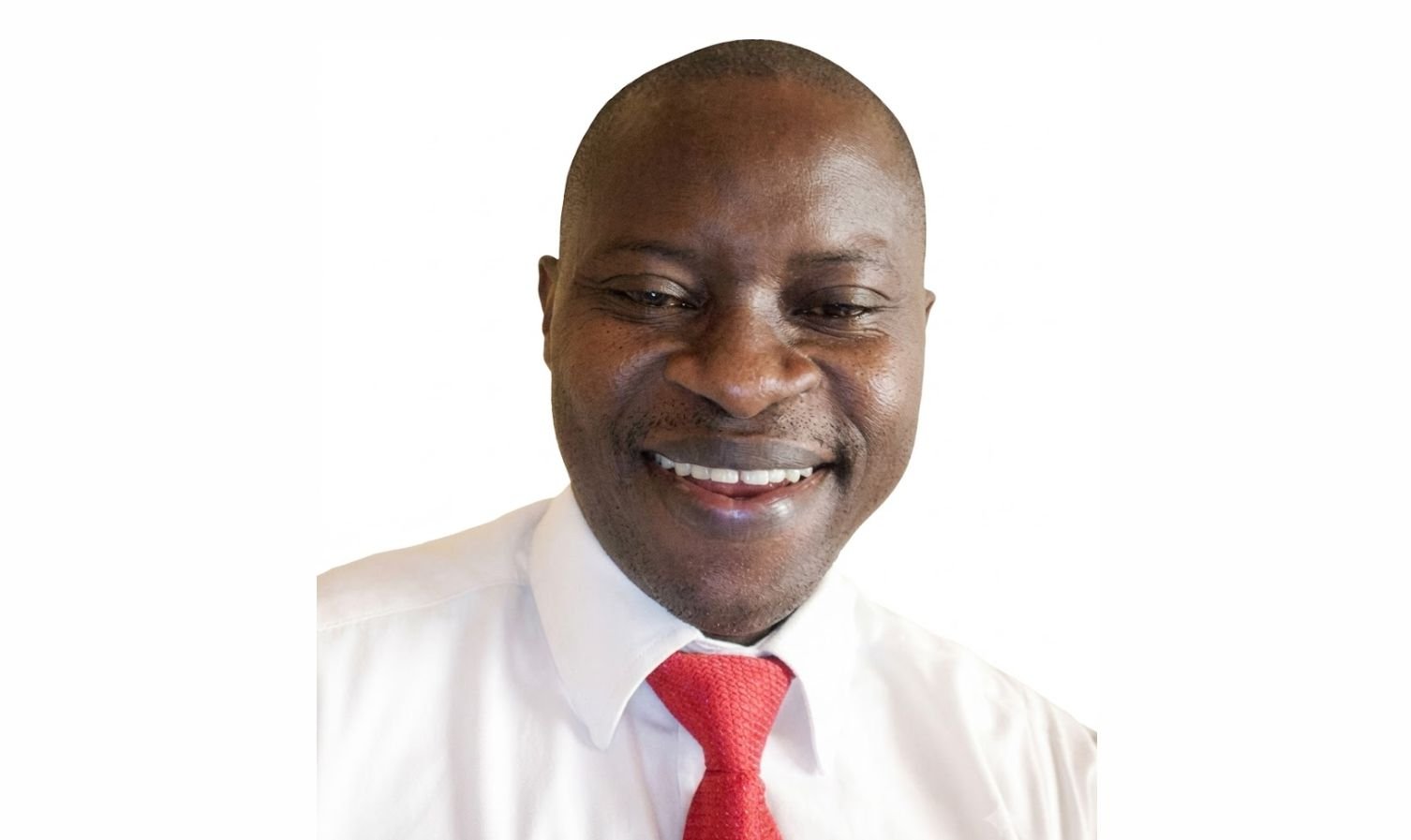
Pious Clements writes about character, conduct, and the deeper questions of how a life is lived. He is the founder of The Conducts of Life, a site built on the belief that how you behave, not what you achieve, defines who you are. His writing draws from decades of observation, lived experience, and serious thinking about human nature, ethics, and self-development. He writes to be useful, not popular.