Integrity in Leadership and The Workplace
Discover the true value of integrity in leadership. Learn how honesty, accountability, and trust create stronger teams, ethical workplaces, and lasting organizational success.
How to live and conduct every aspect of life
Discover the true value of integrity in leadership. Learn how honesty, accountability, and trust create stronger teams, ethical workplaces, and lasting organizational success.

Integrity is one of the life values that shape your character, build trust, and guide your choices. See how it impacts your relationships, reputation, and success in life and work.

A partner who says “I’ll call you” and calls. A friend who keeps your secret despite temptation. A sibling who admits a mistake first. None of these moments feel dramatic, yet each one decides if a relationship can be trusted.

Every hard decision you face eventually asks the same question: what matters most, and what will you do about it when it costs you? Your core values answer the first half, and your core life principles answer the second half.

When Emeka died suddenly, his wife knew their wedding photos were on his phone, but nobody knew the passcode. Eighteen months later, the photos remain out of reach, and the family is still wrestling with his bank over his savings.
Chiamaka’s grandmother could tell a hundred Igbo folktales, each ending with a proverb, but her grandchildren in Lagos answer her in English. When she is gone, the stories may go with her unless someone deliberately decides to keep them alive.

Mr. Eze taught mathematics in a village school for thirty years and never earned much, yet he set aside a little each month for one purpose. Today, a scholarship in his name has already sent forty students to university.
After her father died, Ifeoma found a folded letter in his Bible, addressed to her in his handwriting. It said nothing about money or property, only what he had learned, what he hoped for her, and how proud he was.

When Mrs. Adeyemi retired after thirty-one years as a school nurse, the farewell party filled the hall with former pupils, now doctors, teachers, and parents. Several of them said she was the reason they chose careers caring for others.
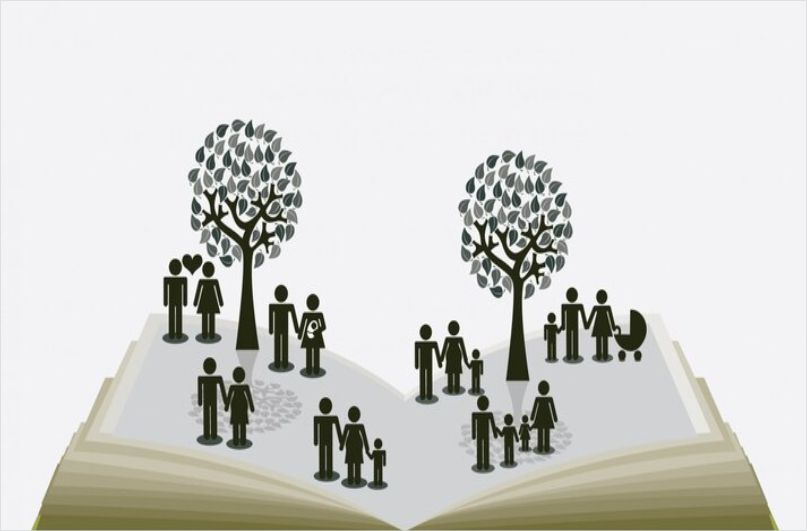
Every December, the Okonkwo family gathers in the village, and an aunt retells how their great-grandfather walked two days to sell yams for his son’s school fees. The children have heard it a hundred times and never tire of it.

Chief Balogun built his transport company from one bus into a fleet of eighty, yet within two years of his death, it had collapsed. He had made every decision himself, and no one had been trained to take his place.
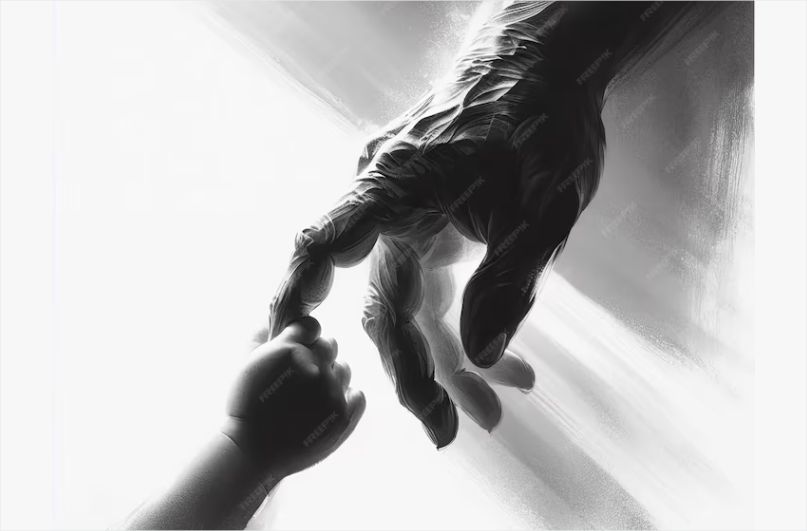
At her grandmother’s funeral in Enugu, Adaeze heard strangers describe the same thing: a woman who paid school fees for children who were not her own. Nobody mentioned her house or her savings; they talked about the lives she changed.

What if philosophy and wisdom in the conduct of everyday life hold the answers to your biggest questions? This piece will make you question how you think and live.

A neighbor holds the elevator door, a dinner guest arrives with a small gift, and a colleague steps outside to take a loud phone call. None of them follow a written law, yet all of them are practicing social conduct.

A cashier hands you too much change, nobody would ever know, and for a second you pause. That pause, the quiet contest between what you could do and what you should do, is exactly where ethics and morality truly live.