Last updated on February 10th, 2026 at 06:37 am
How to live in Switzerland successfully means understanding visas, housing, work, healthcare, and daily life to make your move smooth and enjoyable.
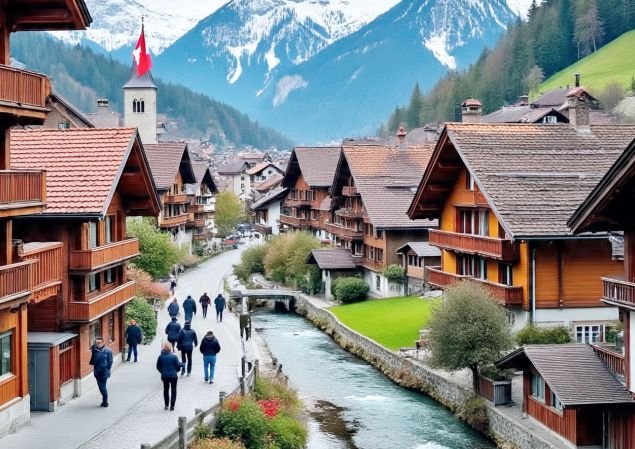
Switzerland attracts people from around the world with its high quality of life, excellent safety, reliable public services, and breathtaking landscapes.
While the idea of living here is appealing, the country’s high living costs, strict regulations, and unique cultural norms make planning essential.
From housing and healthcare to work permits and daily routines, preparation is key.
Living in Switzerland isn’t just a dream; it’s a well-planned lifestyle, requiring foresight, organization, and an understanding of how to thrive in one of the world’s most orderly and scenic countries.
Table of Contents
Visa and Residency Requirements
Switzerland has clear rules for visitors and newcomers.
Knowing them helps you avoid legal issues and plan your move effectively.
Short-Term Stays
Tourist visas allow brief visits for sightseeing or family trips.
They generally limit your stay to 90 days within 180 days.
Work is not permitted on a tourist visa, and overstaying can lead to fines or future entry restrictions.
Long-Term Residency
If you plan to live in Switzerland, work visas, student permits, or family reunification programs are necessary.
Each permit has specific requirements, such as employment contracts, school enrollment, or proof of family ties.
Permanent Residency and Citizenship
After several years of legal residence, you may apply for permanent residency, which grants more stability and access to services.
Citizenship is possible after meeting residency, language, and integration requirements.
Related Posts
Living off the Grid With No Money
How to Live in Canada as an American
Finding Work and Earning Money
Earning an income is essential for living comfortably in Switzerland.
Knowing the job market, permit requirements, and taxation helps you plan your finances.
Job Market Overview
Sectors like finance, healthcare, IT, pharmaceuticals, and engineering are in high demand.
Multilingual skills, especially German, French, or Italian depending on the region, improve job prospects.
Work Permit Requirements
Foreigners need a valid work permit before starting employment.
Your employer often initiates the application, and approval depends on qualifications, experience, and labor market needs.
Salaries, Taxes, and Social Security
Swiss salaries are high, but so are living costs.
Taxes vary by canton, and social security contributions cover healthcare, unemployment, and pensions.
Budgeting carefully ensures your earnings cover expenses comfortably.
Housing in Switzerland
Finding the right home affects your comfort, budget, and daily life.
Renting is common for newcomers, while buying is usually a long-term goal.
Renting vs. Buying
Most expatriates rent apartments or shared housing initially.
Buying is more complex, often requiring residency permits, local credit history, and a significant deposit.
Cost of Living: Cities vs. Smaller Towns
Cities like Zurich, Geneva, and Bern are expensive, with high rent and living costs.
Smaller towns are more affordable but may have fewer job opportunities and amenities.
Tips for Securing Accommodation
Start your search online using Swiss rental platforms, check lease terms carefully, and prepare necessary documents such as ID, employment proof, and financial statements.
Understanding Swiss rental contracts protects you from misunderstandings and ensures a smooth move.
Healthcare and Insurance
Healthcare in Switzerland is high-quality but requires planning.
Knowing the system helps you stay healthy and avoid unexpected costs.
Mandatory Health Insurance
Every resident must have basic health insurance (Lamal/KVG). It covers essential medical care, hospitalization, and prescription drugs.
Choosing the right plan involves comparing premiums, deductibles, and coverage options to fit your budget and health needs.
Public vs. Private Healthcare
Public insurance covers standard care, while private plans offer more flexibility, shorter waiting times, and additional services.
Many expatriates use a combination depending on lifestyle and income.
Tips for Expatriates
Register your insurance promptly after arrival. Learn which doctors accept your plan, and keep all documents accessible.
Local expat forums and government websites provide guidance to navigate approvals and claims efficiently.
Banking and Finances
Managing money carefully helps you live comfortably in Switzerland’s high-cost environment.
Opening a Swiss Bank Account
Most banks allow foreigners to open accounts with a passport, residence permit, and proof of address.
Accounts facilitate salary deposits, rent payments, and daily expenses securely.
Managing Taxes
Switzerland has federal and cantonal taxes.
Americans may still have U.S. tax obligations, so understanding potential double taxation and credits is essential.
Consulting a tax professional simplifies compliance.
Cost-Saving Tips
Budget carefully for housing, groceries, and transportation.
Use local discount stores, public transit, and smart shopping habits to stretch your earnings without sacrificing quality of life.
Language and Cultural Considerations
Switzerland’s multilingual culture affects daily life, work, and social interactions. Awareness makes integration smoother.
Official Languages
Switzerland has four official languages: German, French, Italian, and Romansh.
Your region determines which language is most useful for daily activities, work, and community engagement.
Learning the Local Language
Enroll in language classes, use apps, or join conversation groups.
Even basic language skills help with shopping, interacting with neighbors, and professional networking.
Social Norms and Workplace Culture
Canadians value punctuality, politeness, and clear communication.
Swiss workplaces often emphasize efficiency, structure, and formality.
Understanding these norms helps you build relationships, gain respect, and settle in faster.
Transportation and Daily Life
Getting around and enjoying daily life in Switzerland requires understanding local transportation and embracing cultural opportunities.
Public Transport System
Switzerland’s public transport is reliable and extensive.
Trains, trams, and buses connect cities, towns, and rural areas efficiently.
Monthly passes or travel cards can save money.
Learning schedules and local routes helps you navigate without a car, making commuting and exploring stress-free.
Driving Rules and Vehicle Registration
If you plan to drive, exchange your foreign license for a Swiss one within the required period.
Vehicle registration, insurance, and road rules vary by canton. Following local regulations ensures safety and avoids fines.
Leisure and Cultural Activities
Switzerland offers stunning landscapes, hiking trails, ski resorts, lakes, and cultural festivals.
Participating in local activities helps you unwind, meet people, and appreciate Swiss traditions while enjoying an active lifestyle.
Tips for a Smooth Transition
Planning ahead reduces stress and helps you settle comfortably in Switzerland.
Planning Your Move
Create a clear timeline covering visas, housing, healthcare, banking, and transportation.
Organize essential documents to avoid last-minute problems and ensure legal compliance.
Connecting with Expat Communities
Expat groups, social media forums, and local meetups provide advice, guidance, and social support.
Networking helps you adjust to daily life and find practical solutions to challenges.
Resources for Ongoing Support
Use official government websites, relocation services, and community organizations.
These resources offer information on legal requirements, healthcare, schooling, and employment opportunities for newcomers.
Conclusion
Living in Switzerland offers incredible opportunities: safety, stunning landscapes, high-quality healthcare, and a strong economy.
Success depends on planning and preparation, from securing visas and permits to finding housing, understanding healthcare, and managing finances.
Adapting to local languages, cultural norms, and daily routines helps you integrate smoothly and enjoy your new life.
Leveraging expat communities, online resources, and government services reduces stress and ensures you stay informed.
With thoughtful preparation, budgeting, and awareness of legal requirements, you can make your move manageable, settle comfortably, and embrace the lifestyle Switzerland offers while avoiding common pitfalls and challenges that newcomers often face.
Frequently Asked Questions
Do I need a visa to live in Switzerland?
Yes. Short-term stays need a tourist visa; long-term residence requires work, student, or family reunification permits.
Can I work in Switzerland as a foreigner?
Yes, but you need a valid work permit. Certain sectors like healthcare, IT, and finance are in high demand.
How does healthcare work for newcomers?
All residents must have basic health insurance. Private plans cover extra services, and registration should happen soon after arrival.
How expensive is living in Switzerland?
Major cities are costly, especially rent and groceries. Smaller towns are more affordable, but planning and budgeting are essential.
Reference
