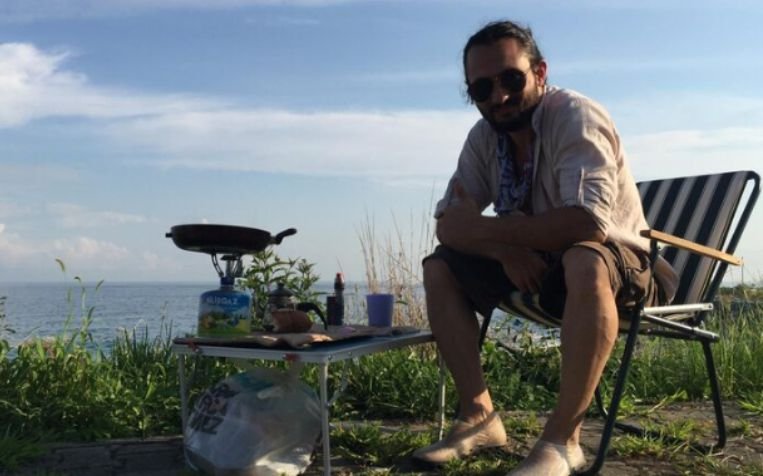
How to live off the grid with no money shows practical ways to survive independently using skills, resources, and creativity.
Living off the grid without money may seem impossible, but resourcefulness and creativity make it achievable.
Relying on natural resources, bartering, and low-cost solutions allows independence without heavy spending.
Skills like building shelters, collecting water, growing food, and using free or recycled materials become more important than cash.
By reducing reliance on utilities, finding alternative energy, and connecting with supportive communities, daily needs can be met while minimizing expenses.
This approach requires patience, practical thinking, and careful planning, but it teaches resilience and self-sufficiency.
Each step, from setting up basic shelter to sourcing food and water, moves life closer to freedom from bills and financial pressure.
Recommended Post: The Basics of Living Life
What Does it Mean to Live Off the Grid Without Money?
Living off the grid without money means meeting your needs without relying on paid utilities, jobs, or regular use of cash.
Food comes from growing, foraging, or sharing, while shelter relies on self-built or community-supported housing.
Energy, water, and waste are handled independently through simple systems.
Daily life depends on skills, cooperation, minimal consumption, and resourcefulness instead of buying and selling.
Mindset and Expectations of Living Without Money off The Grid
Adopting an off-grid lifestyle without money starts with the right mindset.
Shifting focus from cash to skills, time, and effort prepares you for challenges and long-term independence.
Here is how to hone the right mindset:
Replacing Money with Skills, Time, and Effort
Skills become the primary currency when you live without money off the grid.
Building shelters, growing food, sourcing water, and creating energy systems require hands-on effort instead of money.
Time investment replaces financial expenditure, and practical knowledge becomes a valuable resource for daily survival.
Accepting Discomfort and Slow Progress
Life without money off the grid brings limitations and delays. Simple tasks take longer, and comforts may be scarce.
Accepting these conditions helps manage frustration and keeps focus on achievable goals while slowly building independence.
Patience, Resilience, and Adaptability
Success depends on staying patient, recovering from setbacks, and adapting to changing circumstances.
Flexibility allows problem-solving when plans fail, weather changes, or resources run low, supporting sustainable and self-sufficient living.
Legal and Ethical Considerations When Living Off The Grid Without Money
Living off-grid without money still requires awareness of rules and responsibilities.
Understanding laws and respecting others prevents conflicts and supports sustainable, responsible living.
Land Access and Ownership Rules
Access to land must follow local property laws.
Trespassing or squatting can lead to fines or eviction. Securing permission, leasing, or using public land legally ensures a safe base for off-grid living.
What Is Legal vs Illegal in Off-Grid Living
Certain actions, like building without permits, diverting water, or harvesting protected resources, may be illegal.
Following local regulations for structures, waste disposal, and resource use keeps life sustainable and avoids legal trouble.
Respecting Communities, Land, and Resources
Even without money, ethical behavior matters.
Sharing space, avoiding harm to ecosystems, and maintaining positive relations with nearby residents prevent conflict.
Respectful practices ensure othat ff-grid living coexists with the environment and local communities.
Related Posts
Surviving on a Sustainable Budget
How to Live Without Having a Job
How to Live a Money-free Lifestyle
Finding a Place to Live Without Money Off The Grid
Securing land without funds requires creativity, networking, and resourcefulness.
Options include partnerships, shared living, and temporary setups while building self-sufficiency.
This is how you achieve that:
Caretaking, Land-Sharing, and Work-Exchange Options
Many landowners offer space in exchange for labor or maintenance.
Tasks like gardening, repairs, or animal care allow access to housing without rent.
These arrangements provide a practical way to live off-grid while contributing to the property.
Intentional Communities and Eco-Villages
Some communities welcome members who trade skills or effort for room and board.
Shared resources, cooperative projects, and group support reduce costs and guide off-grid living.
Participation also builds connections and practical knowledge.
Remote Family Land or Community Arrangements
Family land or connections in rural areas can provide temporary or permanent off-grid opportunities.
Sharing resources with relatives or trusted community members reduces expenses and offers a safe starting point for independent living.
Temporary Shelters While Transitioning
Tents, lean-tos, yurts, or improvised shelters allow time to set up more permanent systems.
These temporary solutions support adaptation to off-grid life, giving space to learn skills, test systems, and gradually become self-sufficient.
Building Shelter With Little or No Cost
Creating shelter off the grid without money relies on creativity, available materials, and practical design.
Even simple housing can provide safety, warmth, and comfort while living off-grid.
Natural Shelters and Basic Survival Housing
Natural elements like caves, trees, or earth mounds can provide temporary protection.
Simple structures using sticks, leaves, or clay can be constructed quickly, offering basic shelter while learning off-grid survival skills.
Using Reclaimed, Salvaged, or Donated Materials
Old pallets, scrap wood, metal sheets, and discarded materials can be repurposed into functional shelters.
Free or low-cost materials reduce expenses while supporting sustainable building practices and creative solutions.
Weather Protection and Insulation Basics
Keeping dry and warm is essential. Tarps, mud, leaves, or recycled insulation materials block wind, rain, and cold.
Proper ventilation prevents condensation, while layering natural or recycled materials improves comfort and energy efficiency.
Accessing Water for Free in off the Grid Lifestyle
Water is essential for off-grid survival.
Finding safe, reliable sources without spending money requires creativity, planning, and basic knowledge of purification.
This is how you go about it:
Rainwater Collection
Rainwater can be captured from rooftops, tarps, or natural catchments.
Barrels, buckets, or dugout containers store water for daily use.
Simple guttering or funnels help direct water efficiently, providing a renewable source without cost.
Natural Water Sources and Safety
Streams, rivers, ponds, and springs can provide water, but the quality varies.
Always consider seasonal changes, contamination, and local wildlife.
Choosing a clean, accessible source reduces risk and supports ongoing hydration and basic household needs.
Simple Filtration and Purification Methods
Boiling, cloth filtering, sand or gravel layers, and solar disinfection make water safer to drink when you live off the grid without money
Even minimal systems improve water safety without spending money, ensuring health and reducing risk of illness.
Getting Food Without Money in off the Grid Lifestyle
Accessing food without money when you live off the grid relies on growing, foraging, and community-based strategies.
Combining these approaches helps meet daily nutrition while building independence and resilience.
Growing Food
Small-scale gardening provides a steady supply of vegetables, herbs, and fruits.
Permaculture techniques use natural cycles and local resources to improve yields.
Saving seeds and using native plants reduces costs and adapts crops to the local environment, supporting sustainable, low-cost food production.
Foraging and Wild Foods
Wild plants, berries, nuts, and mushrooms can supplement your diet. Learning to identify edible species safely is essential to avoid risks.
Awareness of seasonal availability ensures a steady supply while connecting you with local ecosystems.
Food Sharing and Gleaning
Community programs, harvest sharing, and gleaning allow access to surplus food. Exchanging skills, labor, or time can provide meals without money.
Participating in these networks builds relationships and supports long-term off-grid living.
Life without electricity relies on adapting daily routines and using natural resources creatively.
Minimizing energy needs and relying on simple tools makes off-grid living feasible.
Living with Natural Light and Fire
When living off the grid without money, sunlight guides daily activities, reducing the need for artificial lighting. Fire provides warmth, cooking, and light at night.
Timing tasks with daylight and safely maintaining fire are key for comfort and productivity.
Low-Tech Tools and Manual Alternatives
Manual tools like hand pumps, grinders, and saws replace electric equipment.
Low-tech alternatives reduce dependency on power and encourage practical problem-solving. Skills in using these tools efficiently support self-sufficiency.
Reducing Energy Needs to the Minimum
When you live off the grid without money, limiting electricity or fuel use makes systems easier to maintain.
Simple habits, energy-efficient lighting, and careful task planning lower demand, helping maintain independence without paid utilities.
How to Manage Waste, Hygiene, and Sanitation off the Grid Without Money
Maintaining hygiene without money off the grid on modern utilities is essential for health.
Simple systems and careful habits keep living spaces safe and clean.
Composting Toilets and Low-Water Hygiene
Composting toilets convert waste into safe compost while conserving water.
Using minimal water for washing and cleaning supports sanitation and reduces reliance on expensive plumbing systems.
Regular maintenance prevents odor and contamination.
Greywater Reuse Basics
Water from sinks, showers, and laundry can be reused for irrigation or cleaning.
Simple diversion and filtration systems help recycle resources safely, supporting gardens and reducing overall water demand.
Staying Clean Without Modern Systems
Bathing, laundry, and general cleaning can be done with buckets, washboards, or natural scrubbers.
Using collected rainwater, river water, or recycled greywater keeps routines functional and hygienic while living off-grid.
Skills That Replace Money
Practical skills become your currency when living off-grid without money.
Developing abilities in key areas reduces dependence on cash and supports self-sufficiency.
Gardening and Food Preservation
Growing vegetables, fruits, and herbs provides nutrition without purchase.
Preserving harvests through drying, fermenting, or canning ensures food lasts through seasons, reducing reliance on stores and cash.
Building, Repair, and Tool Maintenance
Knowing how to construct shelters, fix structures, and maintain tools replaces the need to hire services.
These skills save money, extend the life of equipment, and keep daily life running smoothly.
Bartering Skills and Community Value
Trading skills, labor, or goods with others provides access to resources without money.
Sharing expertise in gardening, repairs, or crafts builds connections and ensures mutual support in off-grid living.
Managing Health, Safety, and Survival Planning Living off the Grid Without Money
Living off-grid without money safely requires awareness, preparation, and practical skills.
Knowing how to respond to injuries, environmental hazards, and emergencies keeps you and others secure while relying on limited resources.
Basic First Aid Knowledge
Having first aid skills allows treatment of cuts, burns, or sprains without immediate medical help.
Stocking essential supplies, learning wound care, and knowing how to stabilize injuries keep you prepared for accidents and small health issues in remote settings.
Weather, Wildlife, and Environmental Risks
Severe weather, wild animals, and environmental hazards can affect daily life.
Monitoring forecasts, preparing shelters, and understanding local wildlife behaviors help prevent accidents.
Awareness of terrain, plants, and seasonal changes reduces danger while living independently.
Knowing When Outside Help Is Necessary
Recognizing limits and seeking assistance during serious illness, injury, or disasters is vital.
Keeping communication tools, emergency contacts, and transport options ensures help arrives quickly, supporting long-term safety and well-being in off-grid conditions.
Community and Social Survival
Living off-grid without money can be isolating, making social connections and mutual support essential.
Building relationships strengthens safety, resource access, and overall resilience.
Why Isolation Makes This Lifestyle Harder
Long periods alone can create stress, loneliness, and missed opportunities for help.
Sharing knowledge, resources, or skills with others reduces mental strain and provides support during emergencies or challenging tasks.
Building Trust and Mutual Support
Trust with neighbors, off-grid communities, or local networks ensures cooperation and safety.
Helping each other with repairs, food, or chores creates strong relationships that benefit everyone in the long term.
Trading Labor Instead of Money
Exchanging work for resources, housing, or access replaces money.
Contributing skills like gardening, construction, or maintenance allows survival while strengthening bonds and creating reliable support networks.
Common Mistakes and Hard Lessons
Off-grid living without money is rewarding but challenging.
Mistakes can slow progress, create risk, and make the lifestyle harder than necessary.
Romanticizing Poverty or Struggle
Believing life without money is simple or carefree overlooks real challenges.
Food scarcity, weather exposure, and hard labor require preparation and realistic expectations to avoid frustration and setbacks.
Ignoring Legal and Health Realities
Skipping research on land use, permits, and safety can lead to fines or danger.
Following local laws and maintaining hygiene and first aid practices protects health and long-term stability.
Trying to Do Everything Alone
Attempting full independence without support increases risk and stress.
Collaborating, bartering, or joining off-grid communities provides guidance, skills, and safety, making survival more sustainable and less overwhelming.
Transitioning Gradually
Shifting to off-grid living without money works best in stages. Gradual steps build confidence, test systems, and reduce risk while adjusting to a simpler lifestyle.
Practicing Off-Grid Skills Before Committing
Trying gardening, rainwater collection, solar setups, or shelter building on a small scale allows mistakes and learning without major consequences.
Practicing skills ensures readiness for full independence.
Mixing Low-Income Living with Off-Grid Habits
Incorporating off-grid routines while still using some resources or income eases the transition.
Saving money, reducing energy use, and growing some food gradually adapts daily life to self-sufficiency.
Creating Backup Plans
Emergencies, equipment failure, or unexpected challenges require preparation.
Backup water, food, power, and communication methods provide safety nets, ensuring survival and confidence while moving toward full off-grid independence.
Who This Lifestyle Is and Isn’t For
Off-grid living without money demands self-reliance, patience, and adaptability. Understanding personal limits and circumstances helps decide if full or partial off-grid life is realistic.
Personality Traits That Help
Resilience, problem-solving, and curiosity support long-term success.
Comfort with uncertainty, physical work, and independent decision-making makes handling daily challenges easier while building skills and confidence.
Situations Where It May Not Be Safe
Extreme climates, remote locations with no emergency access, or health conditions may make full off-grid living risky. Lack of experience or support increases dangers, highlighting the need for caution.
Knowing When Partial Off-Grid Living Is Better
Blending some self-sufficiency with occasional reliance on utilities or income can reduce risk.
Partial off-grid setups allow practicing independence while maintaining safety, flexibility, and access to resources when needed.
Conclusion
Living off the grid with little or no money is challenging, but it is possible with resourcefulness, skills, and careful planning.
Prioritizing basic needs like shelter, water, and food builds a foundation for independence.
Patience, resilience, and adaptability help manage discomfort, seasonal changes, and unexpected setbacks.
Developing practical skills, trading labor, and connecting with supportive communities replace money while creating safety and stability.
Gradual transition, realistic expectations, and backup plans reduce risk and increase confidence.
By understanding legal, environmental, and social realities, this lifestyle becomes sustainable and rewarding.
Off-grid living teaches self-sufficiency, creativity, and freedom, proving that independence is achievable without relying on traditional finances.
Frequently Asked Questions
Can I really live off-grid with no money?
Yes, it is possible by relying on skills, natural resources, bartering, and low-cost or recycled materials for basic needs.
How do I find land without paying for it?
Options include caretaking, work-exchange, land-sharing, intentional communities, or staying on family or community land legally.
Is off-grid living safe without money?
Safety depends on preparation. First aid knowledge, awareness of weather and wildlife, and backup plans reduce risks and protect health.
How can I get food without money?
Food can come from small-scale gardening, foraging, preserving harvests, or participating in community sharing and gleaning programs.
Do I need special skills to survive off-grid?
Practical skills in shelter building, water access, gardening, tool use, and bartering are essential to replace money and maintain independence.
Reference
