Last updated on February 20th, 2026 at 08:17 am
Spotting physical cues of stress early allows you to notice tension in yourself and others, preventing overwhelm and improving focus, behavior, and well-being.
Stress is the body’s response to pressure, demands, or perceived threats.
It affects more than your thoughts or emotions. Muscles tighten, breathing changes, and energy shifts as the nervous system prepares to cope.
When this response stays active for too long, it can strain the body and disrupt daily functioning.
Recognizing physical signs matters because stress often shows up in the body before it becomes obvious in the mind.
Early awareness helps you respond sooner, reduce tension, and avoid long-term effects like chronic pain, poor sleep, or digestive issues.
It also improves communication, since unrecognized stress can influence behavior and reactions.
Physical stress cues differ from illness or fatigue. Illness usually brings consistent symptoms that don’t change with situations.
Recommended: Physical and Emotional Well-being Basics
Table of Contents
What are Physical Cues of Stress?
Physical cues of stress are body signals that appear when pressure affects the nervous system. These signs include muscle tension, changes in breathing, posture shifts, restless movements, and voice changes.
Unlike illness or fatigue, they fluctuate with situations and ease when pressure reduces, helping you recognize stress and respond before it becomes overwhelming in daily life and interactions early.
Let’s take a closer look at some of the physical cues of stress.
Facial and Head Physical Cues of Stress
The face and head, which include the eyes and face, are the foremost places you will notice physical cues of stress.
Small changes you might ignore can reveal mental pressure building up, especially during conversations, decision-making, or emotional moments.
Facial Tension
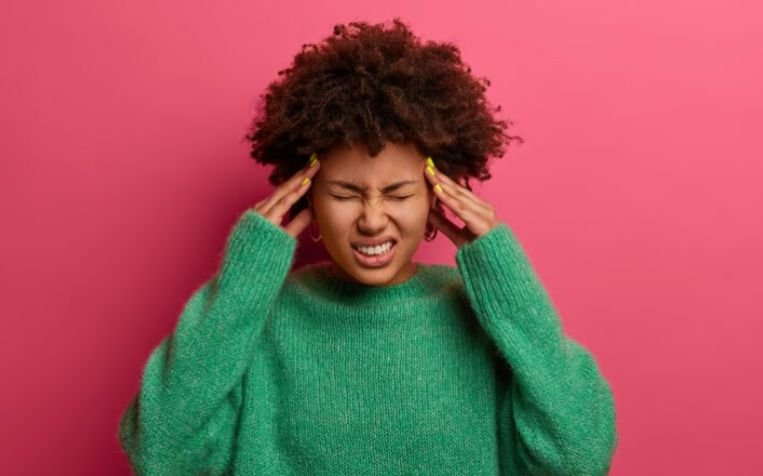
Facial muscles react fast to stress. Brows may pull together, lips press tight, or the jaw lock without awareness.
Teeth grinding can happen while talking or listening.
These signs appear when your body stays alert, holding tension even when no physical action is required.
Eye Changes
Eyes reflect nervous system strain. Rapid blinking, darting glances, or swollen eyelids can signal mental overload.
Long periods of stress reduce sleep quality, leading to dark circles or bloodshot eyes.
These changes usually worsen during demanding situations and ease with rest.
Head Movements
Stress affects head control. Quick nodding, repeated shaking, or constant tilting may replace relaxed movement.
Headaches or a feeling of pressure often follow mental strain, signaling that your body needs a pause or reduced stimulation.
Related Posts
Common physical signs of anger
Ways physical self-care supports your body and mind
How physical intuition guides your body’s signals
The role of body awareness in mind–body health
Body and Postural Physical Cues of Stress
Another important place you will notice physical cues of stress in the body.
Stress changes how your body holds itself. Posture, muscle tone, and movement patterns quietly reveal pressure, especially when your mind stays busy or overloaded during daily tasks and interactions.
Tense Shoulders, Neck, and Back
Muscle tension gathers in the upper body during stress. Shoulders lift toward the ears, the neck stiffens, and the back tightens without notice.
This posture limits movement and breathing, leading to aches, reduced flexibility, and fatigue when stress stays present for long periods.
Slouched or Rigid Posture
Stress pushes posture in two directions.
Slouching appears when mental energy drops, while rigid standing shows constant alertness.
Both strain muscles and joints. Shifting weight, locking knees, or holding the body unnaturally still often signals discomfort and internal pressure.
Restlessness and Repetitive Movement
The body seeks release when stress builds. Pacing, rocking, foot tapping, or frequent position changes help burn nervous energy.
Difficulty staying still usually increases during waiting, thinking, or problem-solving moments, then fades once pressure eases.
Hand and Arm Movements
Hands release tension before words do.
Nail-biting, finger tapping, fist clenching, or repeated rubbing show nervous energy. Gestures may seem controlled or uneasy.
These movements increase during pressure and fade when you feel safe and relaxed.
Voice and Breathing Patterns
The voice and breathing patterns are also other physical cues that indicate stress.
Stress quickly alters how you breathe and speak. These changes affect oxygen flow, vocal control, and clarity, making them strong physical signals of internal pressure during conversations, decision-making, or tense situations.
Rapid or Shallow Breathing
Breathing shortens when stress rises. Chest breathing replaces deep breaths, reducing oxygen intake.
This pattern can cause lightheadedness, chest tightness, and difficulty focusing.
It often appears during urgency, anxiety, or mental overload, then slows once the body feels safe again.
Changes in Voice Pitch and Speed
Stress tightens vocal muscles.
Your voice may sound higher, faster, shaky, or strained. Words can rush or come out clipped.
These shifts reflect nervous system activation and usually increase when explaining, defending, or responding under pressure.
Sighing, Stuttering, and Hesitation
Frequent sighs release built-up tension.
Stuttering, pauses, or hesitation show the mind processing too much at once.
Speech may lose flow as thoughts race. These signs tend to fade when stress lowers, and breathing returns to a steady rhythm.
Skin and Physical Appearance Cues of Stress
Stress affects the skin and visible body reactions through nerve signals and blood flow changes.
These physical cues appear quickly and are hard to hide, making them useful signs when pressure rises during daily activities or social situations.
Sweating and Skin Color Changes
Stress activates sweat glands even without heat or movement. Palms, underarms, or the face may become damp.
Skin can flush red or turn pale as circulation shifts. These changes often appear during tension, attention, or emotional strain.
Trembling Hands or Legs
Nervous system activation can cause shaking in the hands, fingers, or legs. These movements may feel subtle or obvious.
Trembling usually increases during waiting or speaking moments and settles once the body relaxes and breathing slows.
Muscle Twitches and Sudden Jerks
Stress overload can trigger small muscle spasms or brief jerks in the face, arms, or legs.
These reactions come from overstimulated nerves.
They tend to appear after long mental effort, poor rest, or extended periods of pressure.
Digestive and Physical Discomfort of Stress Cues
Stress strongly affects digestion and internal comfort.
The gut reacts to pressure faster than many other systems, sending clear signals when mental strain disrupts normal body balance.
Stomach Pain and Abdominal Tension
Stress tightens abdominal muscles and alters gut movement. You may feel cramps, nausea, bloating, or a knotted sensation in the stomach.
These symptoms often appear before meetings, decisions, or conflict and ease once pressure drops.
Changes in Appetite and Digestion
Stress can suppress hunger or trigger frequent eating.
Digestion may slow, causing heaviness, or speed up, leading to discomfort.
Irregular meals, skipped hunger signals, or sudden cravings often reflect emotional strain rather than physical need.
Frequent Restroom Urges
Nervous system activation can speed bowel activity.
Stress may cause repeated urges to use the restroom, especially before events or stressful tasks.
This response links directly to gut-brain signaling and usually settles when calm returns.
Clusters and Patterns of Physical Stress Cues
Stress rarely shows up through a single sign. Patterns across the body, voice, and behavior give a clearer picture of internal pressure and reduce the chance of false assumptions.
Multiple Physical Cues Appearing Together
Accuracy improves when several cues align. Tense shoulders combined with rapid speech, shallow breathing, and restless hands point to stress more reliably than one gesture alone.
The body tends to signal stress in groups, not isolated movements.
Comparing to Your Calm Baseline
Baseline behavior matters. Comparing current posture, tone, and movement to how you act when relaxed helps separate stress from habits.
Sudden changes from your normal state usually signal rising pressure rather than personality or routine behavior.
Avoiding Misreading Single Gestures
Single actions can mislead.
Crossing arms, tapping a foot, or avoiding eye contact may have many causes.
Looking for repeated patterns across time and situations prevents misinterpretation and supports fair, accurate stress recognition.
Situational and Contextual Considerations
Stress cues do not exist in isolation. Surroundings, timing, health, and personal background shape how physical signs appear and how they should be interpreted.
Stress Compared to Fatigue or Illness
Fatigue and illness can mimic stress signals.
Slouched posture, low energy, or slow speech may come from poor sleep or sickness.
Stress cues usually intensify during pressure and ease with relief, while fatigue and illness remain more consistent.
Cultural and Personal Expression Differences
Culture and personality influence stress behavior. Some people express stress through movement and speech, while others become quiet or withdrawn. Personal habits matter.
What looks tense for one person may be normal for another, making baseline awareness important.
Environmental and Situational Triggers
Noise, deadlines, conflict, crowded spaces, and lack of privacy increase stress responses.
Physical cues often rise in challenging settings and fade in calm ones.
Noticing where and when stress appears helps identify triggers and manage reactions more effectively.
Practical Tips for Identifying Stress in Yourself and Others
Stress shows up before you consciously notice it. Observing physical cues in yourself and others helps reduce pressure, improve awareness, and guide effective responses in daily life.
Observing Body, Facial, and Vocal Cues
Notice posture, muscle tension, facial expressions, and changes in voice or breathing.
Rapid speech, fidgeting, or clenched muscles often signal rising stress. Watching patterns over time gives a clearer picture than single gestures.
Using Self-Awareness to Manage Stress
Pause and take a deep breath when noticing tension. Loosen muscles, adjust posture, or take a short break.
Recognizing your own stress early allows you to respond before it escalates and prevents physical discomfort.
Offering Support to Others
When noticing stress in someone else, respond with patience and calm presence.
Simple actions like listening, giving space, or reducing environmental pressure can help others regain control, lower tension, and improve.
Conclusion
Recognizing physical cues of stress gives you an early advantage in managing tension and maintaining well-being.
Posture, facial expressions, voice, and breathing all signal pressure before it overwhelms the mind.
Comparing your behavior to calm states helps distinguish stress from fatigue or habitual patterns.
Awareness of environmental triggers, cultural influences, and situational context enhances accurate interpretation.
Acting on these cues with self-care, deep breathing, movement, or short breaks prevents discomfort and long-term strain.
Frequently Asked Questions
What are the physical cues of stress?
Physical cues of stress include tense muscles, shallow breathing, restless movements, facial tension, and changes in voice showing rising pressure.
How can I recognize stress in others?
Observe body posture, facial expressions, voice, and hand movements. Multiple signals appearing together indicate stress more accurately than single gestures.
How does stress affect the body?
Stress triggers rapid breathing, muscle tension, digestive issues, sweating, tremors, and subtle changes in posture, face, or voice over time.
What can I do to manage stress?
Manage stress through deep breathing, short breaks, stretching, posture adjustments, mindful awareness, and supportive communication with others around you.
Reference
