Habits That Gradually Lead to Leadership Failure
For years, a Phoenix operations director was the company’s rising star. Then his best people started leaving, and exit interviews pointed to habits no one had ever challenged.
How to live and conduct every aspect of life
For years, a Phoenix operations director was the company’s rising star. Then his best people started leaving, and exit interviews pointed to habits no one had ever challenged.

My colleague’s nephew Tom, a junior analyst in London, put half his savings into a meme coin because his whole office chat had. He now calls that week his most expensive lesson in herd mentality so far.
Two runners hit the wall at mile 20 of the Chicago Marathon. One quit; the other walked for a mile, reset her pace, and finished an hour later.
During her company’s worst quarter, a Minneapolis retail CEO kept a simple routine: seven hours of sleep, a morning walk, and an honest update to staff every Friday. Her team called it the calmest crisis they had known.

My former neighbor’s mother Margaret, heard her late husband say “mind the stove” in her Dublin kitchen, six weeks after his funeral. That moment sent her searching for the clairaudience meaning she had once dismissed as nonsense.

My cousin Funmi, a project manager in Lagos, once announced that a big client deal would collapse, with no evidence at all. When it did, she began searching online for the claircognizance meaning that friends kept mentioning.

You walk into a room and sense the tension before anyone speaks. A friend says “I’m fine,” and you know they are not. That quick, wordless read of other people is interpersonal intuition, and it influences every relationship you have.

When Maria’s father died, one coworker said, “You poor thing.” Another said, “Sorry for your loss.” A third sat beside her and asked what she needed. Maria remembers only the third.
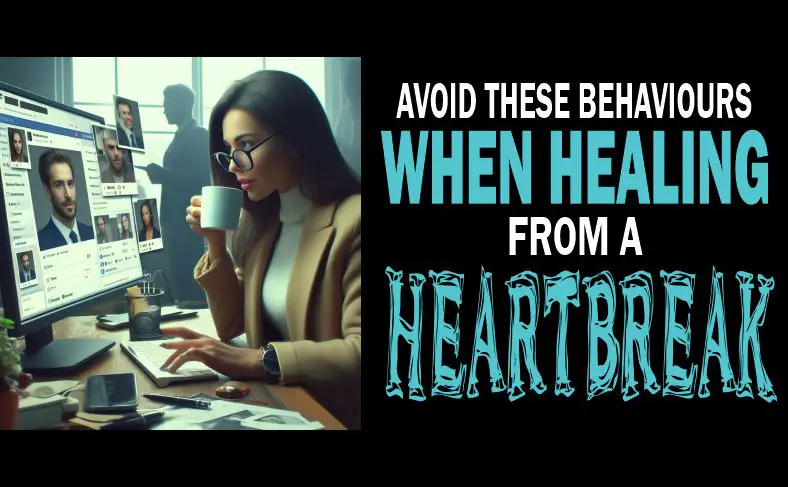
Three weeks after a painful breakup, I sat up at one in the morning and scrolled through our entire message history, from the first awkward hello to the last cold goodbye. It took two hours. I went to bed feeling worse than on the day she left.
Before a big client pitch, a Seattle consultant felt anxious but told herself she was fine. The client later said she seemed closed off, arms crossed and voice tight.

In a tense budget meeting, a Reno manager felt anger rise when a colleague blamed her team. She breathed, asked for his data, and the room calmed.

Two colleagues receive the same harsh email; one fires back in fury, the other feels the sting and replies an hour later with a calm question. The second colleague is not feeling less; she is simply using the feeling better.
At his performance review, a San Diego sales manager rated himself “excellent” at listening. His team’s anonymous feedback gave him the lowest score in the department.

Search for relationship advice aimed at women and you will soon meet the promise of a secret phrase that makes any man fall deeply in love. That promise is usually built on one popular and heavily marketed idea: the hero instinct.
When a Toronto manager praised a new colleague from Japan in front of the team, she expected a smile. He looked embarrassed, and she realized her idea of good feedback was cultural, not universal.