How To Apply Stoicism In Relationships And Be Fulfilled

In the pursuit of harmony and connection with others, applying Stoicism in relationships will give you the fulfillment and satisfaction you crave.
How to live and conduct every aspect of life
In the pursuit of harmony and connection with others, applying Stoicism in relationships will give you the fulfillment and satisfaction you crave.

Some people read a headline and move on. Others wonder why it happened, check the source, and learn something that changes how they see the world. That second habit has a name, and research suggests it matters alongside raw intelligence.
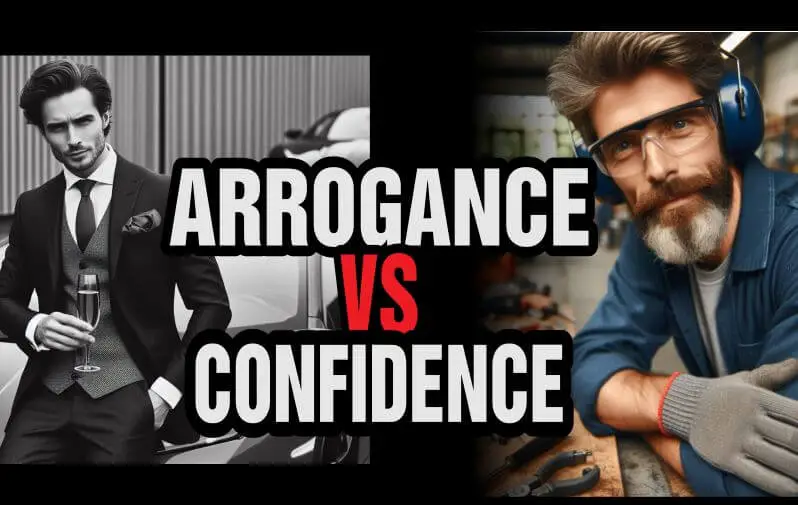
There is a faint line between arrogance and confidence and you could easily mistake one for the other, hence the need for this article – arrogance vs confidence.
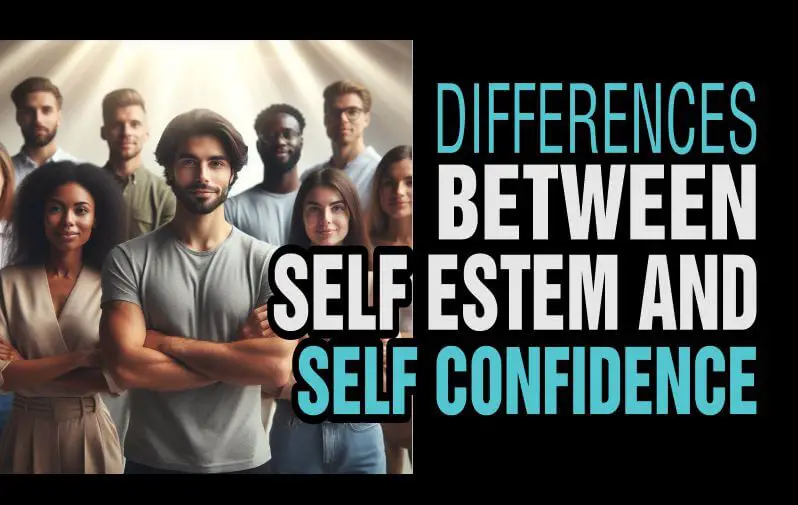
A surgeon can walk into the operating room completely sure of her skills and still believe, deep down, that she is not good enough as a person. That painful gap is exactly the difference between self-confidence and self-esteem in action.

Arguing with intelligent people can be challenging and stimulating. Here are reasons why it’s hard to win an argument with a smart person.
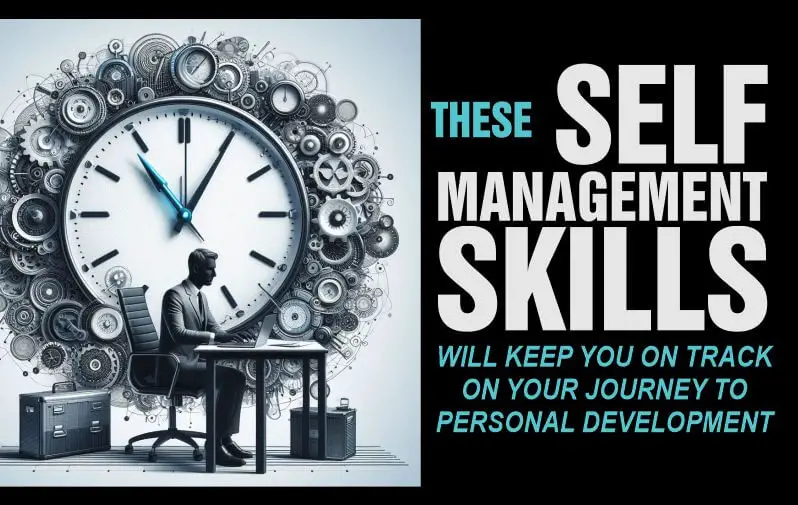
Mastering self-management skills is crucial for achieving personal growth, increasing productivity, and improving emotional intelligence.
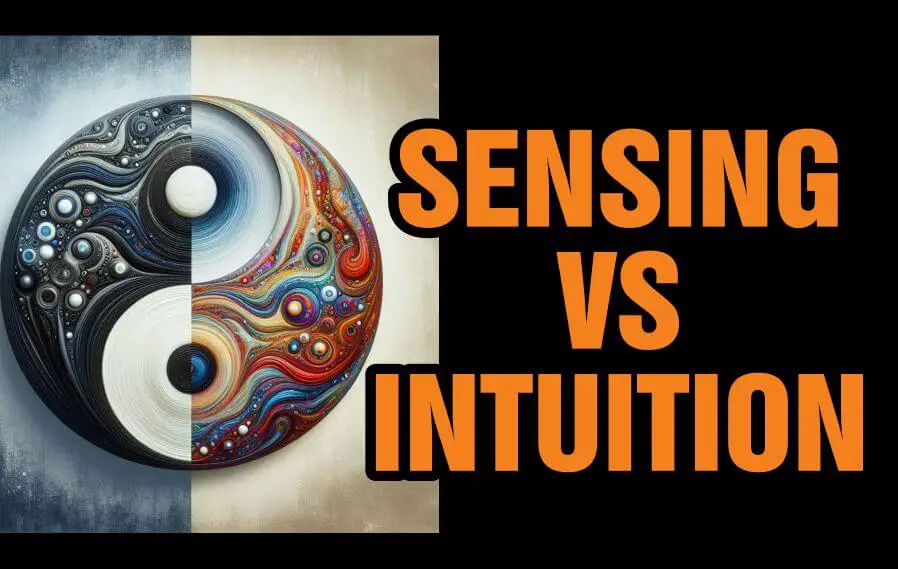
Some people walk into a room and instantly notice the crooked picture, the cold draft, and the half-empty coffee cup. They remember every appointment and the price of groceries. That practical, detail-rich way of perceiving the world is called sensing.
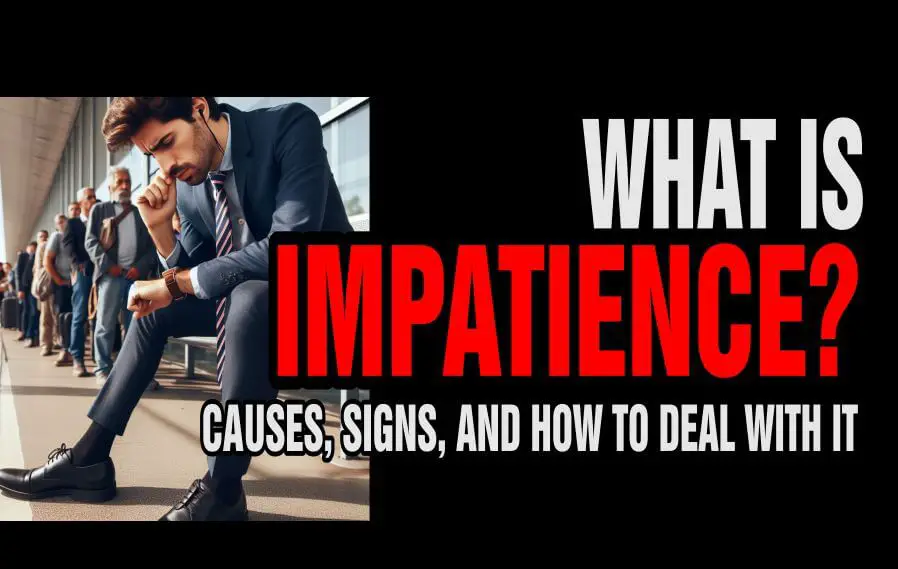
What is impatience? Discover how to recognize impatience, a common pseudo-emotion with various causes and signs, and effective strategies for dealing with it.

During a Denver school board meeting, a heated debate over a budget cut ran two hours late. The next month, a new chair set time limits, called on every speaker, and the same issue was settled in forty minutes.

Tolu has changed her major twice, attends a different church every few months, and cannot say what she wants from life. Her parents worry she is lost, but she may be in one of the healthiest stages of growing up.

At home in Lagos, Emeka thinks of himself as a quiet engineer who loves chess; at a football match abroad, he suddenly feels fiercely Nigerian. The same man switches between his personal and social identity without ever noticing the shift.

At nineteen, you might switch majors twice, try on three different friend groups, and still not know what you believe about faith or politics. That restless searching is not failure; it is identity formation doing exactly what it should do.

Andrew runs the hardware store his grandfather opened, just as everyone assumed he would from the day he was born. He is really skilled and content, yet he has never once asked himself if it is what he truly wants.
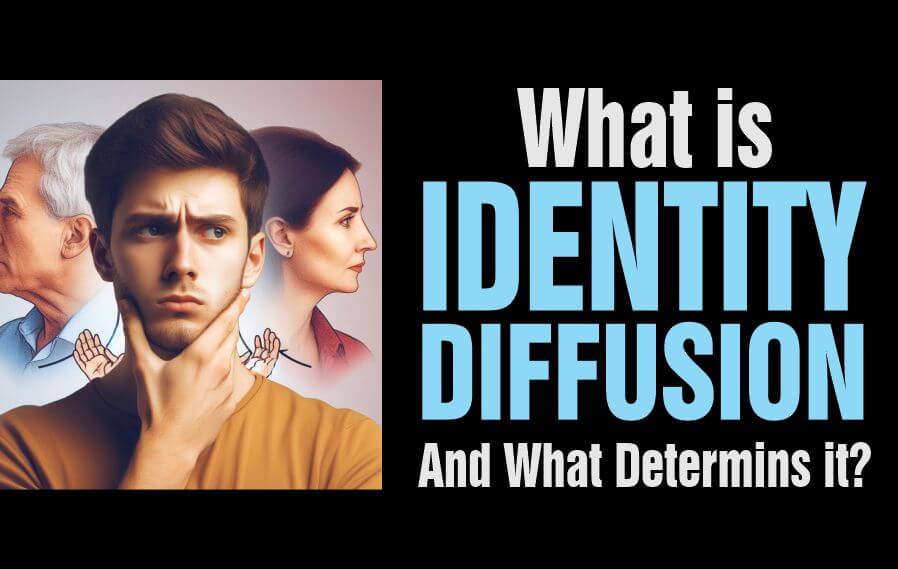
Kemi is twenty-four, working a job she does not care about, with no strong opinions, no plans, and no idea what she would choose if she could. When friends ask what she wants, she honestly shrugs and changes the subject.
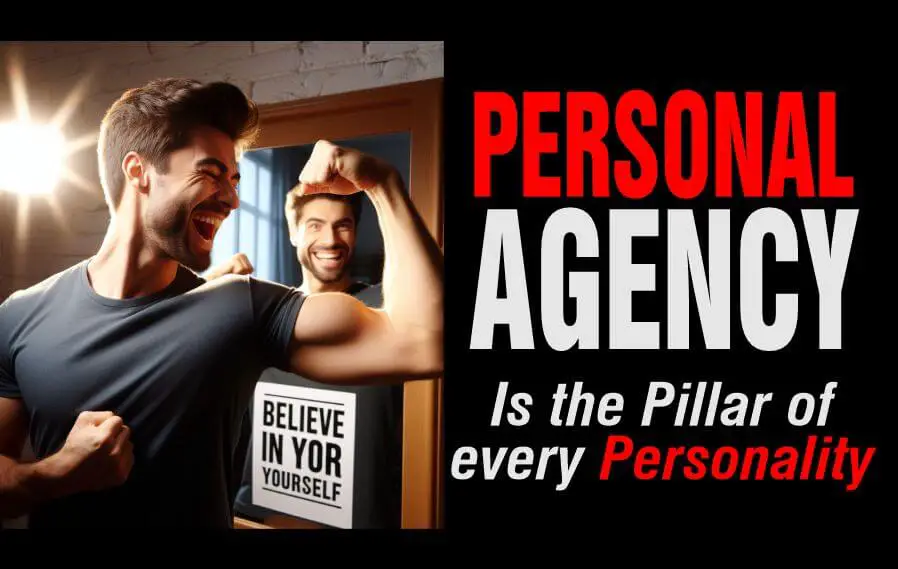
Do you make your own decisions, or do you find yourself waiting for permission, approval, or the right moment that never quite arrives? The difference between those two ways of living comes down largely to one learnable quality: personal agency.