Last updated on September 27th, 2026 at 11:07 am
Andrew runs the hardware store his grandfather opened, just as everyone assumed he would from the day he was born. He is really skilled and content, yet he has never once asked himself if it is what he truly wants.
Some people know exactly who they are from a young age, not because they searched, but because someone else decided for them.
Psychologists call this identity foreclosure, a firm sense of identity adopted from parents, faith, or community without first considering alternatives.
The sections ahead explain what foreclosure means, what leads to it, and how to recognize it in yourself or someone you love.
You will find a look at when foreclosure is harmless, when it becomes costly, and how to grow beyond it without rejecting your roots.
It is the third post in a series on the four identity statuses.
Table of Contents
What Is Identity Foreclosure?
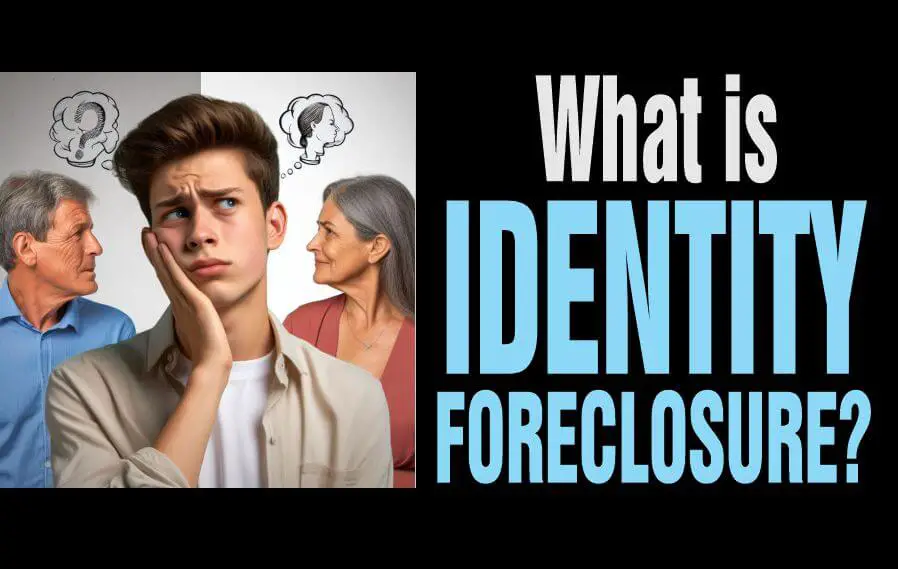
Identity foreclosure is the status of people who have made firm commitments about career, beliefs, or values without first searching among other possibilities.
The commitments usually come ready-made from parents, religious leaders, or community expectations, and the person accepts them largely without question.
The word foreclosure means closing something off early, which captures the idea that other options were shut before they were ever considered.
Where It Fits in Identity Theory
James Marcia built four identity statuses on Erik Erikson’s work, and foreclosure is the one that combines high commitment with little or no searching.
The full model is set out in the four identity statuses explained. A meta-analysis of 124 studies found that foreclosure tends to decline through the high school years and then fluctuates in the late teens and twenties.
What Leads to Identity Foreclosure
Foreclosure usually grows from a mix of family, culture, and circumstance rather than a single cause.
- Controlling or authoritarian parenting: homes where questions are discouraged and obedience is expected leave little room to search.
- Strong family traditions: a family business, profession, or role passed down through generations can feel like destiny.
- Cultural and religious expectations: communities that value conformity may treat questioning as disloyalty.
- Fear of disappointing others: some young people avoid searching to keep peace with parents they love.
- Limited options: poverty, early responsibilities, or lack of education can make the expected path the only realistic one.
- Early success in one area: a gifted young athlete or musician may commit fully before ever considering anything else.
Examples of Identity Foreclosure
- The Family Profession: A young woman from a family of doctors enters medical school because it was always the plan, without ever asking if another career might suit her.
- The Inherited Business: Like Chidi in the opening, a young man takes over the family store and adopts his father’s politics and opinions wholesale.
- The Unquestioned Faith: A teenager holds strong religious beliefs identical to her parents’ but has never examined why she believes them. Faith itself is not the issue here; the absence of any personal reflection is.
- The Early Athlete: A football prodigy builds his whole identity around the sport from age ten, with no other interests, and feels lost when an injury ends his career.
Signs of Identity Foreclosure
These signs can point to commitments that were adopted rather than chosen.
- You struggle to explain why you hold your beliefs beyond “That is how I was raised.”
- You feel threatened or defensive when someone questions your choices or suggests alternatives.
- You have never seriously considered another career, faith, or way of living.
- Your goals match your parents’ plans for you almost exactly, down to the details.
- You rely heavily on approval from authority figures to feel secure in your choices.
Is Foreclosure Always a Bad Thing?
Not necessarily, and it is worth resisting the idea that only self-chosen identities are healthy.
In a study of more than 9,000 young people, those in foreclosure reported high self-esteem and a strong sense that their lives had meaning, close to the achieved group.
In many collectivist cultures, taking up a family’s path can express love, duty, and belonging rather than a lack of thought, a theme discussed in collectivist cultures and family duty.
Foreclosure becomes a problem mainly when the borrowed identity stops fitting and the person has no tools for rethinking it.
The Hidden Costs of Foreclosure
People in foreclosure can become rigid, finding it hard to adapt when life changes or when they meet people with very different views.
The same study also showed a weaker sense of personal control over life events and the lowest interest of any group in searching for deeper meaning.
When a foreclosed identity finally cracks, through a failed career, a lost faith, or a divorce, the result can be a sudden and painful crisis in midlife.
In my observation, the hardest part for many people is not the change itself but realizing that decades of their life were built on someone else’s answer.
How to Move Beyond Identity Foreclosure
Moving beyond foreclosure does not mean rejecting your family or faith; it means making your commitments your own.
- Ask Where Each Belief Came From: List your major beliefs and goals, then note beside each one if you chose it, inherited it, or are not sure.
- Learn About Alternatives Safely: Read, take a class, or talk with people who chose differently, not to abandon your path but to see it more clearly.
- Practice Thinking for Yourself: Form your own view on small questions before asking anyone else, which builds the habits covered in building independent thinking.
- Allow a Period of Searching: Giving yourself time to question can feel uncomfortable, but that stage, described in moving into identity moratorium, is where self-chosen commitments begin.
- Recommit on Your Own Terms: Many people end up keeping their career or faith, but as a choice rather than an inheritance, and that shift is what separates foreclosure from a fully achieved identity.
For Parents
Parents can pass on values and traditions without foreclosing a child’s identity by explaining the reasons behind them and welcoming honest questions.
A child who is allowed to question a family belief and still chooses it may hold it more deeply than one who was never allowed to ask.
Exposing children to different careers, cultures, and ideas gives them real options to weigh, even if they end up following the family path.
Conclusion
Chidi may run his grandfather’s store for the rest of his life, and that could be a good life, but it will feel different once he has chosen it.
Identity foreclosure means committing to an identity handed down by others without first searching among alternatives.
It can bring stability and belonging, especially in close-knit cultures, but it can also leave people rigid and unprepared when life changes.
Pick one belief you have held since childhood, and spend ten minutes writing about why you hold it today in your own words.
Frequently Asked Questions
What is identity foreclosure?
Identity foreclosure is the identity status of people who have committed to a career, belief system, or set of values adopted from others without first searching among alternatives.
What is an example of identity foreclosure?
A young woman from a family of doctors who enters medical school because it was always expected, without ever considering another career, is a classic example of foreclosure.
What causes identity foreclosure?
Common causes include controlling parenting, strong family traditions, cultural or religious pressure to conform, fear of disappointing loved ones, limited options, and early success in one particular area.
Can you move out of identity foreclosure?
Yes, by questioning where your beliefs came from, learning about alternatives, allowing a period of searching, and then recommitting on your own terms, even to the same path.

Pious Clements writes about character, conduct, and the deeper questions of how a life is lived. He is the founder of The Conducts of Life, a site built on the belief that how you behave, not what you achieve, defines who you are. His writing draws from decades of observation, lived experience, and serious thinking about human nature, ethics, and self-development. He writes to be useful, not popular.