Last updated on October 4th, 2026 at 09:15 am
A Biloxi father yelled at his sons as his father had yelled at him. Therapy traced the anger to a childhood where tenderness was mocked.
Wounded masculine energy is a distorted form of masculine energy shaped by past hurt, showing up either as control, aggression, and emotional coldness or as passivity, avoidance, and lack of direction.
The Biloxi father did not want to repeat his own father’s anger, yet under stress he did exactly that, because the pattern had been learned long before he could choose it.
Wounded masculine energy is not a diagnosis, and it can appear in anyone, regardless of gender.
Recognizing it is the first step toward replacing it with the steady, protective strength of healthy masculine energy.
The sections below explain what wounded masculine energy is, its two main forms, signs, causes, what research shows about early experiences and masculinity norms, its effects on relationships, and practical steps to heal.
Wounded masculine energy is a distorted form of masculine energy rooted in past hurt, showing up either as control, aggression, and emotional coldness or as passivity, avoidance, and lack of direction.
Table of Contents
What Is Wounded Masculine Energy?
Healthy masculine energy provides direction, structure, protection, and steady presence, as explained in What Masculine Energy Is.
Wounded masculine energy is what happens when those qualities are distorted by pain, shame, or fear. Instead of protecting, it controls.
Instead of leading, it dominates or disappears. Instead of staying grounded, it either explodes or shuts down.
The idea comes from the same framework of complementary energies described in masculine vs feminine energy.
It is a helpful metaphor for patterns that psychologists study under other names, such as insecure attachment, emotional suppression, and the effects of childhood adversity.
The Two Faces of Wounded Masculine Energy
The Overcompensating Form
Some people respond to old wounds by becoming hard, controlling, and aggressive.
They may need to win every argument, dominate partners, avoid vulnerability at all costs, and treat emotions as weakness.
Beneath the toughness usually lies fear of being seen as inadequate.
The Collapsed Form
Others respond by withdrawing from masculine qualities altogether.
They may struggle to make decisions, avoid responsibility, drift without direction, procrastinate, or rely on others to lead.
Beneath the passivity usually lies fear of failure or criticism.
| Overcompensating | Collapsed |
|---|---|
| Controls others | Avoids responsibility |
| Explodes in anger | Avoids conflict |
| Workaholic or obsessed with status | Lacks direction or motivation |
| Dismisses emotions | Overwhelmed by emotions |
| Needs to dominate | Needs to be rescued |
Many people swing between the two, dominating in one area of life while avoiding responsibility in another.
Signs of Wounded Masculine Energy
- Quick anger or defensiveness when challenged.
- Difficulty showing vulnerability or asking for help.
- Controlling or jealous behavior in relationships.
- Constant need to prove yourself through money, status, or conquest.
- Chronic indecision or avoidance of commitment.
- Feeling directionless or stuck.
- Using alcohol, work, or screens to numb feelings.
- Treating sensitivity, in yourself or others, as weakness.
Many of these overlap with the patterns described in hidden signs of low self-esteem in men, since wounded masculine energy and low self-worth frequently go together.
What Causes Wounded Masculine Energy
Absent or Harsh Fathers
Children learn what strength looks like from the adults around them.
An absent, cold, or abusive father, or the lack of any healthy male role model, can leave a person without a working example of protective, emotionally honest strength.
Shame Around Emotions
Messages such as “boys don’t cry” or “toughen up” teach people to suppress feelings, which later surface as anger or numbness.
Bullying and Humiliation
Being bullied or humiliated can lead to overcompensation, as a person tries never to feel powerless again.
Rigid Gender Expectations
Narrow ideas about what men “should” be push people toward toughness and away from tenderness.
Trauma and Adversity
Abuse, violence, loss, and chaotic homes can disrupt a person’s sense of safety and self-worth.
Growing up with a self-centered parent can also leave lasting marks, as discussed in the effects of a narcissistic parent.
What Research Shows
The landmark Adverse Childhood Experiences study by Vincent Felitti and colleagues, involving more than 9,500 adults, found that people who experienced more childhood adversity, such as abuse, neglect, or household dysfunction, had higher risks of depression, substance abuse, and serious health problems in adulthood.
Early wounds, in other words, can have lasting effects.
A review by Sara McLanahan and colleagues found strong evidence that father absence negatively affects children’s social and emotional development, particularly behavior problems.
Research on masculinity norms adds that rigid expectations of toughness and self-reliance are linked to poorer mental health and less willingness to seek help.
Together, these findings suggest that what this framework calls wounded masculine energy reflects real, well-documented effects of early experience and social pressure.
How Wounded Masculine Energy Affects Relationships
In relationships, the overcompensating form may show up as control, jealousy, criticism, or emotional coldness, leaving partners feeling unsafe or unheard.
The collapsed form may show up as passivity, avoidance of decisions, or reliance on a partner to manage everything, leaving partners exhausted and resentful.
Both forms make genuine intimacy difficult, since closeness requires a secure enough sense of self to be vulnerable.
Partners of people with wounded masculine energy may feel they must walk on eggshells or carry the relationship alone.
Healthy boundaries, explored in boundaries that protect relationships, help both partners while healing takes place.
Wounded Masculine Energy in Women
Women can carry wounded masculine energy too. It may appear as hyper-independence, refusing all help, constant control, overworking, or treating vulnerability as weakness.
Frequently, it develops in women who learned early that they could depend only on themselves.
Healing involves the same work: building self-worth, allowing support, and balancing strength with softness.
How to Heal Wounded Masculine Energy
1. Recognize the Pattern
Notice when you control, explode, withdraw, or avoid, and ask what feeling lies underneath, such as fear, shame, or hurt.
2. Trace the Roots
Reflect on where you learned these patterns, such as a parent’s behavior or messages about what men should be. Seeing the origin of a pattern makes it easier to choose differently.
3. Feel Your Emotions
Practice naming feelings and allowing them without acting on them destructively.
Anger management and emotion regulation skills, explored in the roots of emotional reactivity, help with explosive patterns.
4. Redefine Strength
Strength includes vulnerability, asking for help, and admitting mistakes, as described in healthy Stoic manhood.
5. Take Responsibility Step by Step
If you tend to collapse, start with small commitments and keep them, building confidence through follow-through.
6. Find Healthy Role Models
Spend time with people, mentors, or communities that model protective, emotionally honest strength.
7. Build Brotherhood and Support
Close friendships where you can speak honestly are powerful antidotes to isolation and shame.
8. Seek Professional Help
Therapy, especially with someone experienced in trauma or men’s issues, can help heal deep wounds and change long-standing patterns.
Supporting Someone With Wounded Masculine Energy
If someone you love shows these patterns, name specific behaviors calmly, encourage professional help, and protect your own well-being.
Avoid shaming or mocking, since shame usually deepens the wound.
At the same time, supporting someone never means accepting abuse; if control or aggression becomes unsafe, prioritize your safety and seek outside help.
When to Seek Help
Seek professional support if anger leads to aggression, if you feel persistently hopeless or numb, if you rely on substances to cope, or if relationships keep breaking down for similar reasons.
If you or someone else is in danger, contact emergency services. In the US, call or text 988 in a crisis.
In my observation, the strongest men I have known are not those who never broke, but those who faced the old wounds honestly and chose to become the protector they once needed.
Conclusion
The Biloxi father now notices the heat rising before he yells, steps away, and returns to talk with his sons calmly, and his boys have stopped flinching.
Wounded masculine energy is a distorted form of masculine energy rooted in past hurt, appearing either as control and aggression or as passivity and avoidance.
Research shows childhood adversity, father absence, and rigid masculinity norms can have lasting effects, yet healing is possible through awareness, emotional honesty, responsibility, support, and therapy.
This week, notice one moment when you control, explode, or withdraw, and name the feeling underneath it.
Frequently Asked Questions
What is wounded masculine energy?
It is a distorted form of masculine energy rooted in past hurt, showing up as control, aggression, and emotional coldness, or as passivity, avoidance, and lack of direction.
What causes wounded masculine energy?
Common causes include absent or harsh fathers, shame around emotions, bullying, rigid gender expectations, trauma, and childhood adversity.
Can women have wounded masculine energy?
Yes, it can appear in women as hyper-independence, refusing help, constant control, overworking, or treating vulnerability as weakness.
How do you heal wounded masculine energy?
Recognize the pattern, trace its roots, learn to feel emotions safely, redefine strength, take responsibility in small steps, find role models and support, and seek therapy.
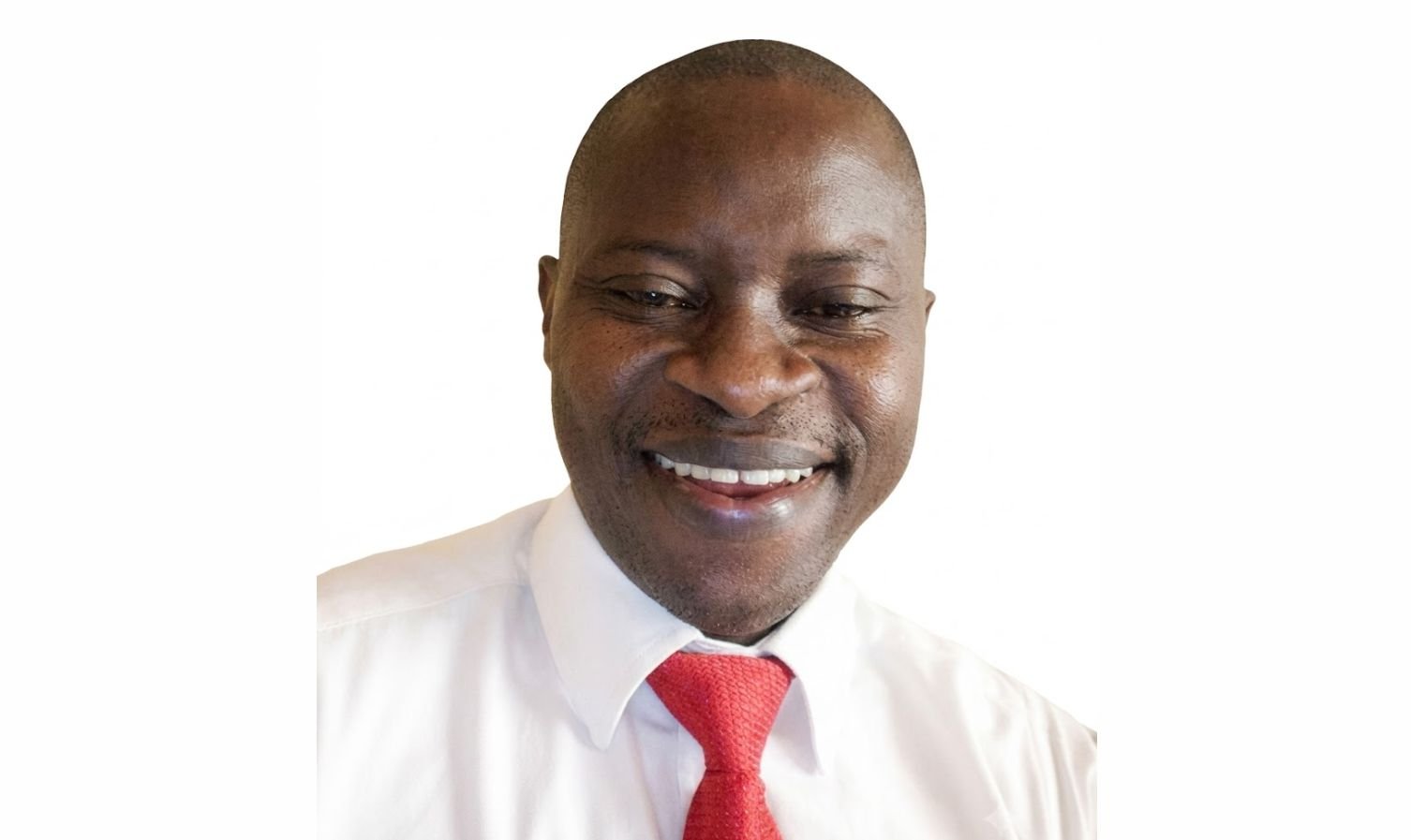
Pious Clements writes about character, conduct, and the deeper questions of how a life is lived. He is the founder of The Conducts of Life, a site built on the belief that how you behave, not what you achieve, defines who you are. His writing draws from decades of observation, lived experience, and serious thinking about human nature, ethics, and self-development. He writes to be useful, not popular.