
Last updated on October 25th, 2026 at 06:23 am
My friend’s younger sister Chloe rolled her eyes when her grandmother gave her a lady etiquette book before her first job in Sydney. Within her first month at work, she had quietly borrowed that book back twice.
Lady etiquette is the set of manners and social habits that help a woman carry herself with confidence, respect, and consideration for others.
Modern etiquette has very little to do with curtsies, rigid posture, or staying silent in company.
It is about making people feel comfortable, handling awkward moments gracefully, and protecting your own dignity at the same time.
Chloe’s first year as a marketing graduate covered almost every area, from client lunches to office group chats.
Her mistakes, recoveries, and small victories run through every section of this post.
Let’s take a look at the core principles, ten everyday areas of etiquette, what research says, and how to build these habits naturally.

Table of Contents
What Is Lady Etiquette?
Lady etiquette is a code of polite behavior that guides how a woman greets people, dines, dresses, speaks, and conducts herself in public and online.
At its heart sit four principles that never go out of date, namely consideration, respect, honesty, and grace.
Chloe’s grandmother put it simply when she first gave her the book. “Manners are just kindness with good timing,” she said, and Chloe later admitted that line summed up the whole book.

Etiquette also connects closely to deeper character and the values a person lives by.
Good manners grow naturally from the values described in what conduct is and why it matters.
Without those values underneath, even the most polished manners can start to feel fake.
Ten Everyday Areas of Modern Lady Etiquette
Greetings and introductions
Stand when greeting someone, offer a firm handshake, make eye contact, and repeat the person’s name.
On her first day, Chloe forgot her manager’s name within minutes, so she began repeating every new name aloud.
Dining etiquette
Place your napkin on your lap, wait for the host to begin, and keep your phone off the table.
At her first client lunch, Chloe accidentally ate from her neighbor’s bread plate, a mistake the simple bread and drink trick would have prevented.
Phone and digital etiquette
Silence your phone in meetings, avoid scrolling during conversations, and think twice before pressing reply-all.
Clear professional communication also means short, polite emails with a proper greeting and sign-off. Chloe once checked messages during a team briefing and caught her manager’s disappointed glance.
Thoughtful digital communication protects your reputation as much as your words do.

Dressing for the occasion
Read the dress code, and when unsure, dress slightly more formally than you expect others to.
Chloe wore sneakers to a client pitch and spent the meeting tucking her feet under the chair.
Conversation etiquette
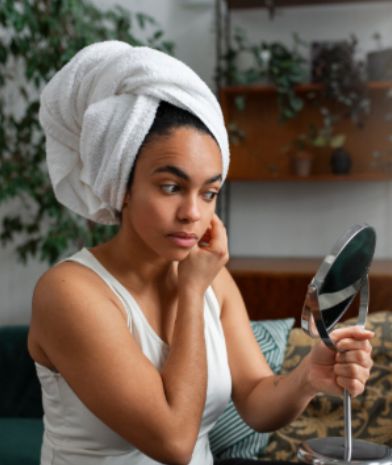
Listen more than you speak, avoid gossip, and keep very personal topics for close friends.
At her first office drinks, Chloe overshared about a recent breakup, then spent the following week feeling exposed.
Expressing gratitude
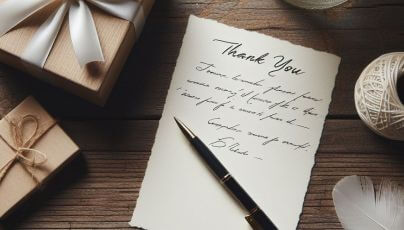
Thank people promptly and specifically, ideally in writing when someone has done you a meaningful favor.
After a senior colleague spent an evening reviewing her presentation, Chloe left a handwritten card on her desk.
Accepting compliments and criticism
Accept compliments with a simple “thank you” instead of brushing them aside. Receive criticism calmly, ask clarifying questions, and avoid defending yourself on the spot.
Saying no gracefully
Politeness never requires agreeing to every request that lands on your desk.
When a colleague kept passing extra tasks to her, Chloe learned to say, “I would love to help, but I cannot take that on this week.” Clear personal boundaries are part of good manners, not a break from them.
Hosting and being a guest
Reply to invitations promptly, arrive on time, and bring a small gift for the host.
When Chloe hosted her first dinner, she greeted every guest at the door and introduced people who did not know each other.

Kindness to everyone
Treat waiters, cleaners, and receptionists with the same courtesy you show senior leaders.
Chloe’s manager later told her that she had noticed how warmly Chloe thanked the office cleaner every evening.
| Area | Key habit | Chloe’s lesson |
|---|---|---|
| Greetings | Repeat names and make eye contact | Forgot her manager’s name |
| Dining | Bread left, drinks right | Used a neighbor’s bread plate |
| Digital | Phone away in meetings | Caught scrolling in a briefing |
| Dress | Dress slightly above the code | Sneakers at a client pitch |
| Conversation | Save personal topics for friends | Overshared at office drinks |
| Gratitude | Specific, written thanks | Handwritten card to a mentor |
| Compliments | Simply say thank you | Stopped brushing praise aside |
| Saying no | Kind but firm refusals | Limited extra tasks |
| Hosting | Greet and introduce guests | Hosted a smooth first dinner |
| Kindness | Equal courtesy to all | Noticed for thanking the cleaner |

What Research Shows
First impressions form remarkably fast, usually before a single word has been spoken.
In experiments by Janine Willis and Alexander Todorov, people judged faces after just 100 milliseconds.
Longer viewing mostly made them more confident rather than changing those snap judgments.
That helps explain why Chloe’s greeting habits mattered so much in her first week.
Phones can affect the quality of conversations even when nobody picks them up or touches them.
In two experiments by Andrew Przybylski and Netta Weinstein, a phone simply sitting nearby was linked to lower closeness and poorer conversation quality, especially during meaningful discussions.
Expressing gratitude matters far more to the people receiving it than most of us expect.
In studies by Amit Kumar and Nicholas Epley, people who wrote thank-you letters underestimated how happy recipients would feel and overestimated how awkward the moment would be.
Chloe’s mentor kept her handwritten card pinned above her desk for months.
Simple table rules also have long-standing support from respected etiquette authorities in America.
The Emily Post Institute’s bread and drink tip uses your hands to form a “b” and “d,” reminding you that bread sits left and drinks sit right.
These studies come mostly from the United States and the United Kingdom.
Etiquette varies widely across cultures, so local customs always deserve careful attention.
Etiquette Across Cultures
Manners that feel polite in one country can seem odd in another. Americans and Australians tend to use first names quickly, while many British and Canadian workplaces expect a little more formality at first.
In Japan, a respectful bow replaces the handshake in many business and social settings.
Tipping customs also differ, since American and Canadian diners usually tip generously while Australians tip far less.
In Nigeria and much of West Africa, greeting elders with deep respect is expected, sometimes with a slight bend or curtsy.
Chloe’s team included a colleague from Lagos who greeted senior staff with a gentle curtsy.
Some coworkers were puzzled until Chloe described the custom and the respect behind it.
Strong cultural awareness helps you adjust to different manners without judging them.
Where Views Differ
Some people feel that the phrase “lady etiquette” carries outdated expectations about how women should behave.
They argue that manners should be the same for everyone, and that rules about women being quiet or agreeable are unfair.
The wider debate is covered in more depth in the impact of gender stereotypes.
Others value lady etiquette as a tradition of grace, elegance, and self-respect.
Chloe’s grandmother saw it as a way for women to command respect without raising their voices.
Both views share far more common ground than their strongest supporters sometimes admit.
Modern etiquette works best when it builds confidence and kindness rather than limiting what women can say or do.

How to Build Etiquette Habits Naturally
Learn one area at a time
Pick a single area, such as dining or digital etiquette, and practice it for two weeks.
Chloe began with greetings during her first month, then moved on to her phone habits.
Watch people you admire
Notice how respected colleagues greet clients, handle disagreements, and close meetings with warmth.
Their body language that commands respect can teach you more than any rulebook.
Prepare for new situations
Before formal dinners, interviews, or weddings, check the dress code and the customs.
A few minutes of preparation beforehand prevents most of the embarrassing moments people fear.
Forgive your own mistakes
Everyone makes etiquette slips sometimes, so apologize briefly and move on with good humor.
Chloe laughed off her bread plate mistake, and the client laughed with her.
Let kindness lead
When rules are unclear, ask what would make the other person most comfortable.
Warm, considerate behavior makes people like you and helps you earn respect from anyone.
By the end of her first year, Chloe had been asked to host visiting clients on her own.
Her manager said her polished, warm manners made the whole company look good to clients.

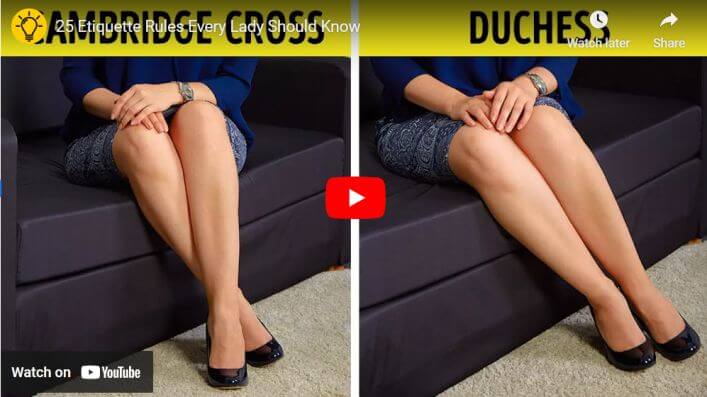
Watch this Video: Lady Etiquette Every Lady Should Know (7 mins 10 sec)
Conclusion
Chloe once rolled her eyes at her grandmother’s book, yet it helped her through client lunches, office drinks, and her first dinner party.
Lady etiquette today is less about rigid rules and more about confidence, consideration, and grace in everyday moments.
Good manners help you make strong first impressions, protect your boundaries, and treat everyone with respect.
When you are in doubt, kindness with good timing rarely fails anyone.
Write a short, specific thank-you note to someone who helped you recently.
Frequently Asked Questions
What is lady etiquette?
Lady etiquette is a set of polite habits that help a woman carry herself with confidence. It covers greetings, dining, dress, conversation, gratitude, and behavior online and at work.
Is lady etiquette still relevant today?
Yes, although modern etiquette looks quite different from the stricter rules of the past. Today it values confidence, kindness, and respect, not silence or narrow ideas about women.
What are basic dining etiquette rules for women?
Place your napkin on your lap, wait for the host to begin, and keep your phone away. Remember that your bread plate sits left and your drinks sit right.
How can a woman say no politely?
Thank the person, give a brief and honest reason, and stay firm without apologizing too much. A warm tone shows respect while still protecting your time and energy.

Pious Clements writes about character, conduct, and the deeper questions of how a life is lived. He is the founder of The Conducts of Life, a site built on the belief that how you behave, not what you achieve, defines who you are. His writing draws from decades of observation, lived experience, and serious thinking about human nature, ethics, and self-development. He writes to be useful, not popular.