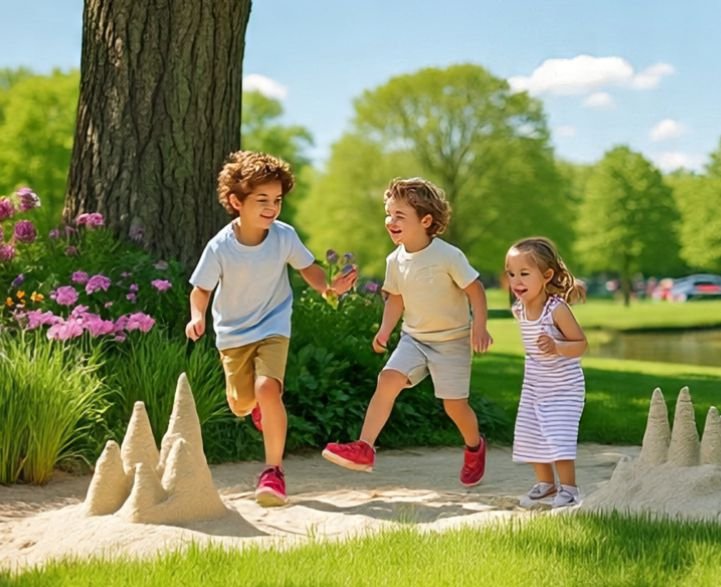
Body awareness activities for kids build coordination, confidence, and focus, helping them understand their bodies and learning how to live.
Watching children move, play, and respond to the world around them shows how much their bodies guide daily experiences.
You notice it in the way they run, jump, balance, or react to frustration.
These movements shape coordination, build confidence, and help manage emotions.
Body awareness activities for kids give them ways to connect with their energy, sense space, and feel control over actions.
Designed to be fun, hands-on, and age-appropriate, these body awareness activities for kids let them enjoy movement while gaining skills that support both physical growth and emotional regulation.
Guiding them through simple exercises can turn playtime into learning without pressure or rules.
Table of Contents
Overview of Body Awareness
Body awareness involves sensing how your body moves and occupies space, noticing balance, posture, and coordination in everyday actions.
It influences how you respond to your environment, manage energy, and stay in control during movement.
Developing this sense helps refine motor skills, improve focus, and support emotional control.
For children, cultivating body awareness becomes a foundation for physical growth, confidence, and smoother interaction with their surroundings, making daily activities and play more engaging and effective.
For a deeper look into body awareness and why it is important, check out our full guide on body awareness.
Movement-Based Activities for Kids
Movement-based activities for kids get them moving, thinking, and having fun while building coordination, balance, and confidence.
Animal Walks
Encourage kids to crawl like a bear, hop like a frog, or slither like a snake.
These playful movements strengthen gross motor skills, improve balance, and boost spatial awareness.
By pretending to be animals, children engage their imagination while learning how to control their bodies and move with purpose.
Obstacle Courses
Set up simple courses using household items, playground equipment, or safe furniture.
Kids climb, crawl, jump, and weave through challenges, improving coordination, strength, and body awareness.
Obstacle courses also help them learn pacing, timing, and problem-solving while turning physical activity into an exciting game.
Dance and Freeze
Play music and let kids dance freely, then call out freeze to pause in different poses.
This activity sharpens rhythm, body control, and focus.
Children practice listening, reacting quickly, and balancing, all while enjoying movement that strengthens coordination and encourages expressive, confident motion.
Sensory-Based Activities
Sensory-based activities help children connect with their bodies through touch, movement, and awareness.
These exercises build balance, coordination, and fine motor skills while keeping kids engaged and curious.
Blindfold Walks
Guide children through a safe path while blindfolded, letting them rely on touch, hearing, and spatial awareness.
This activity sharpens balance and coordination, encourages trust, and helps kids pay attention to subtle cues from their bodies and surroundings, strengthening confidence in movement.
Texture Exploration
Let kids feel and identify objects with different textures like soft fabrics, rough surfaces, or smooth stones.
This encourages tactile awareness, strengthens fine motor skills, and helps children notice details through touch, improving hand-eye coordination and sensory integration.
Body Part Recognition Games
Call out body parts for children to touch, stretch, or move.
These games improve proprioception, body mapping, and awareness of how different muscles work.
They also encourage quick responses and focus, making movement playful while supporting physical development.
Mindfulness and Awareness Activities
Mindfulness and awareness activities guide children to notice their bodies and feelings, building focus, calm, and emotional control.
These exercises support both physical coordination and mental clarity while keeping kids engaged in simple, playful ways.
Body Scan Exercises
Have kids pay attention to sensations in each part of their body, from toes to head.
This practice teaches self-awareness, helps them relax, and encourages noticing tension or comfort.
Body scans improve attention and help children connect with how their body feels during movement or rest.
Breathing Exercises
Guide children through focused breathing while sitting or lying down, noticing the rise and fall of their chest.
This activity strengthens the mind-body connection, reduces stress, and helps manage emotions.
Regular practice improves concentration and gives children a tool to calm themselves during daily routines.
Yoga for Kids
Introduce simple poses and stretches adapted for children, like the tree pose or the cat-cow.
Yoga encourages flexibility, balance, and focus while improving posture and body control.
Moving through poses slowly helps kids notice their muscles, breathing, and alignment, making exercise both mindful and fun.
Fun Games for Body Awareness
Fun games for body awareness help children move, think, and interact while improving coordination, balance, and focus.
These playful activities turn learning into action, keeping kids engaged while developing motor skills, spatial sense, and body control.
Simon Says with a Twist
Add more complex body movements and postures to the classic game.
Call out actions like touching toes, stretching arms, or balancing on one foot.
This version sharpens listening skills, improves motor control, and keeps children alert, encouraging them to respond quickly and control their movements with precision.
Mirror Movements
Pair children and have them mimic each other’s movements, matching speed and gestures.
This activity boosts coordination, focus, and social interaction while helping kids notice subtle movements in their own bodies.
It encourages observation, patience, and teamwork, making body awareness both fun and collaborative.
Balloon or Ball Activities
Use a balloon or a soft ball and challenge children to keep it in the air using hands, feet, or other body parts.
These exercises enhance hand-eye coordination, spatial awareness, and timing.
Kids also learn how to adjust movement, balance, and positioning while staying engaged in a playful challenge.
Tips for Parents and Educators
Supporting children’s body awareness requires patience, attention, and creativity.
With the right guidance, you can turn everyday moments into opportunities for movement, learning, and confidence-building, helping kids develop coordination, focus, and self-awareness.
Encourage Consistent Practice
Set aside short, fun sessions each day for body awareness activities.
Regular practice helps children build muscle memory, improve balance, and notice subtle movements in their bodies.
Keeping sessions playful and stress-free ensures kids stay engaged and excited to participate.
Adapt Activities to Age and Ability
Modify exercises to suit different age groups and skill levels.
Younger children may need simpler movements, while older kids can handle more complex coordination tasks.
Adjusting activities ensures everyone can participate safely and enjoyably, while still challenging their physical and mental skills.
Observe and Celebrate Progress
Pay attention to improvements in coordination, focus, and body control, and celebrate achievements, big or small.
Positive reinforcement motivates children to keep practicing and helps them feel proud of their growth, turning body awareness into a rewarding part of daily life.
Conclusion
Body awareness activities for kids give them more than just movement—they help children understand their bodies, improve coordination, and manage emotions.
When you guide them through playful exercises, you create moments that build confidence, focus, and self-control.
From movement games to sensory experiences and mindfulness exercises, these activities connect physical development with mental clarity.
Consistent, age-appropriate practice helps children notice their bodies, adjust to challenges, and enjoy learning through play.
By observing progress and celebrating achievements, you make body awareness a positive, engaging habit that supports growth, social interaction, and overall well-being, turning everyday moments into meaningful learning experiences.
Frequently Asked Questions
What are body awareness activities for kids?
They are exercises and games that help children notice how their bodies move, improving coordination, balance, focus, and understanding of spatial awareness.
How often should children practice body awareness activities?
Short, consistent sessions daily or several times a week work best, keeping activities playful, engaging, and suitable for their age and energy levels.
Can body awareness activities improve emotional regulation?
Yes, noticing body sensations helps children manage emotions, calm themselves, and respond thoughtfully, connecting physical movements with emotional understanding.
Are body awareness activities suitable for all ages?
Activities can be adapted for different ages and abilities, ensuring children from toddlers to older kids can participate safely and enjoyably.
References

Pious Clements is the insightful voice behind "The Conducts of Life" blog, where he writes about life ethics, self-development, life mastery, and the dynamics of people and society.
With a profound understanding of human behaviuor and societal dynamics, Pious offers thought-provoking perspectives on ethical living and personal growth.
Through engaging narratives and astute observations, he inspires readers to navigate life's complexities with wisdom and integrity, encouraging a deeper understanding of the human experience and our place within society.