
Conflict starts when needs clash, but conflict resolution begins with listening, not arguing. Learn how to turn tension into trust and disagreements into stronger relationships.
Conflict is a normal part of life, not a sign that something is broken. It shows up in how a person reacts to tension with a partner, coworker, or friend, long before things blow up.
Every relationship has friction, and that is expected in personal, professional, and social settings.
And that is one of the ways to learn how to live.
Ignoring it only makes resentment grow, trust weaken, and communication break down over time.
Unresolved conflict drains energy, lowers performance, and harms mental well-being.
It can turn small misunderstandings into a long-term distance between people.
Conflict resolution starts the moment tension is noticed, not when emotions are out of control.
It means speaking clearly, listening without interrupting, and staying open to different views.
It is not about winning or proving a point in daily life and work. It is about finding a way forward that respects everyone involved.
Good conflict skills help build stronger relationships, better teamwork, and healthier communication patterns.
Table of Contents
What is Conflict?
Conflict is a clash between people when needs, views, or interests do not match. It shows up as disagreement, tension, or argument in relationships, work, and social settings.
Conflict is not always negative; it can highlight problems, spark change, and lead to better solutions when handled well.
It becomes harmful when ignored, denied, or expressed through blame, silence, or aggression instead of honest, respectful communication, and this is where conflict resolution comes in.
Types of Conflict
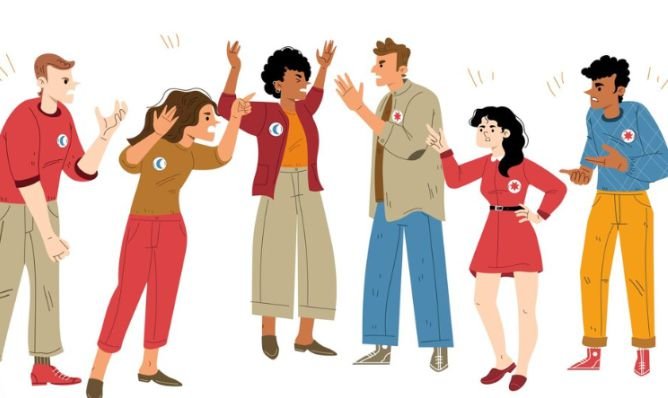
Conflict shows up in different forms, from inner struggles to clashes between people, teams, and groups.
Knowing the type helps pick the right way to respond and move toward resolution.
Interpersonal Conflict
Interpersonal conflict happens between two or more people when needs, opinions, or actions clash.
It can be with a partner, friend, family member, or coworker.
Miscommunication, unmet expectations, and emotional reactions often make it worse.
Clear, calm talks, active listening, and respect for each person’s view help reduce tension and rebuild trust in the relationship.
Intrapersonal Conflict (Within Oneself)
Intrapersonal conflict is the struggle within a person, like choosing between two strong desires or values.
It shows up as doubt, guilt, stress, or feeling stuck. Internal pressure from fear, past experiences, or high expectations can make decisions harder.
Naming the inner conflict, writing thoughts down, and giving space to reflect can bring clarity and peace.
Workplace and Team Conflict
Workplace and team conflict arise when roles, goals, or communication styles do not match.
It can be about workload, credit, decisions, or how tasks are done.

Poor leadership, unclear processes, and a lack of feedback often make it worse.
Open meetings, fair rules, and a safe space to speak up help teams resolve issues and work better together.
Organisational or Institutional Conflict
Organisational or institutional conflict happens when vision, policies, or power structures create tension.
It can be between departments, management and staff, or leaders at the top.
Conflicting priorities, poor communication, and lack of trust fuel these disputes.
Clear goals, transparent decisions, and inclusive leadership reduce friction and support a healthier work culture.
Social, Cultural, and Community Conflict
Social, cultural, and community conflicts emerge when groups have different beliefs, values, or ways of living.
It can be about resources, identity, rights, or traditions.
Stereotypes, fear of difference, and unequal access to power often deepen the divide.
Listening to each side, finding common ground, and engaging in fair dialogue help build understanding and reduce hostility between groups.
Stages of Conflict
Conflict does not start with shouting; it builds in stages, from hidden tension to open clash.
Recognising each stage helps respond early and prevent small issues from turning into serious damage.

Latent Conflict (Hidden Tensions)
Latent conflict exists before anyone speaks about it, as unmet needs, mismatched expectations, or unclear roles.
It shows in small signs like tension, silence, or passive behaviour in conversations.
These hidden tensions grow when ignored and can explode later over a minor issue.
Spotting early clues helps address the real problem before it becomes a crisis.
Perceived Conflict (Recognition of Differences)
Perceived conflict begins when differences in goals, values, or actions become noticeable.
It is the moment a person realises that another’s view or behaviour is blocking their own needs.
This stage is about awareness, not yet emotion; the issue is seen but not deeply felt.
Clear communication at this point can prevent the situation from getting worse.
Felt Conflict (Emotional Involvement)
Felt conflict is when emotions like frustration, hurt, or anger start to shape how the situation is seen.
It moves from “There is a problem” to “This is personal and unfair.”
Stress, past experiences, and ego make the issue feel bigger and harder to discuss calmly.
Managing emotions here stops the conflict from turning into a full-blown confrontation.
Manifest Conflict (Open Confrontation)
Manifest conflict is when the disagreement becomes visible through arguments, complaints, or visible tension.
It can show up as heated talks, cold silence, or formal complaints in work and personal life.
How this stage is handled decides whether the conflict moves toward resolution or more serious damage.
A structured, respectful approach works better than reacting in the heat.
Conflict Aftermath (Resolution or Escalation)
After the open clash, the situation either moves toward resolution or further escalation.
Resolution means an agreement, repaired trust, and changed behaviour that prevents repeat issues.
Escalation brings more damage, broken relationships, or formal actions like legal steps or job loss.
The aftermath depends on how fairly and honestly both sides handled the conflict.
What is Conflict Resolution?
Conflict resolution is the process of addressing disagreements in a way that all parties feel heard and a fair outcome is reached.
It involves communication, active listening, and problem-solving to move past tension and restore cooperation in relationships, teams, and daily interactions.
Difference Between Conflict Management and Conflict Resolution
Conflict management focuses on controlling tension and keeping things from getting worse.
It is about handling emotions, setting boundaries, and reducing immediate friction.
Conflict resolution goes further by identifying the real issue and working toward a lasting agreement.
Management keeps the peace for now; resolution fixes the root cause. Both are needed, but resolution creates stronger, more honest relationships in the long run.

Short-Term Fixes Versus Long-Term Solutions
Short-term fixes stop arguments quickly but often leave the real problem untouched.
They include compromises that feel temporary or avoiding the topic altogether.
Long-term solutions look at why the conflict happened and change patterns that cause repeat issues.
They take more time, honesty, and effort but build trust and prevent the same fights.
Choosing long-term fixes leads to healthier relationships and better communication over time.
Benefits of Effective Conflict Resolution
Handling conflict well does not just end arguments; it changes how people connect, work, and grow over time.
Good resolution builds trust, clarity, and a healthier environment in relationships and organisations.
Stronger Relationships
Resolving conflict in a fair, respectful way deepens trust between people.
It shows that differences do not have to break a connection.
When both sides feel heard and treated fairly, the relationship becomes more honest and reliable.
Stronger bonds form when tension is handled without blame or silence.
Better Decision-Making
Conflict brings different views, concerns, and information into the open.
When these are shared and discussed, decisions become more balanced and realistic.
Avoiding disagreement leads to groupthink and missed risks.
Healthy conflict helps spot flaws, test ideas, and choose options that work better in practice.
Improved Collaboration and Performance
Teams that handle conflict well communicate more openly and support each other under pressure.
They spend less time on hidden tension and more time on actual work.
Clear roles, shared goals, and honest feedback improve coordination and output.
Good conflict resolution turns friction into better teamwork and results.
Reduced Stress and Resentment
Unresolved conflict creates constant background stress, sleepless nights, and emotional exhaustion.
It builds resentment when people feel ignored, disrespected, or unfairly treated. Addressing issues early, calmly and fairly lifts that weight.
Less stress means more focus, energy, and peace in daily life and work.
Long-Term Personal and Organisational Growth
Personal growth happens when conflict is used to learn, adjust behaviour, and improve communication skills.
Organisations grow when conflict leads to better policies, leadership, and culture.
A pattern of fair resolution builds resilience and adaptability over time.
Both individuals and groups become stronger by facing, not avoiding, tough conversations.
Common Causes of Conflict
Most conflicts start small, from a missed message, a wrong assumption, or a simple difference in how people see things.
They grow when no one speaks up or when talks go in circles without real listening.
Communication Breakdowns and Misunderstandings
Words get twisted when messages are rushed, unclear, or sent without checking if the other person got it right.
Tone, timing, and body language matter just as much as what is actually said.
Assumptions fill the gaps when details are missing, and that is where misunderstandings begin.
Small miscommunications pile up and turn into bigger tensions if not cleared early.
Differences in Values, Goals, and Expectations
People want different things from relationships, work, and life, and that is normal.
Problems come when those differences are not discussed or when one side expects the other to just know.
Unspoken expectations about effort, loyalty, or success often lead to disappointment and friction.
Clear, honest talks about what matters most can prevent many of these clashes.
Power Dynamics, Roles, and Authority Issues
Unequal power in relationships, teams, or families can make conflict harder to handle.
One person may feel silenced, while another feels challenged when questioned.
Role confusion, unclear responsibilities, or misuse of authority often fuel resentment and resistance.
Fairness, clear boundaries, and shared decision-making help reduce tension in these situations.
Emotional Triggers, Stress, and Unmet Needs
Stress, fatigue, or past experiences can make small issues feel huge in the moment.
Emotional triggers react before the mind has time to think, leading to sharp words or withdrawal.
Unmet needs for respect, safety, or appreciation often show up as anger or coldness.
Naming the real need behind the reaction makes it easier to talk and find a way forward.
Cultural, Social, and Personality Differences
People come from different backgrounds, beliefs, and ways of expressing themselves.
What feels polite in one culture may seem cold or rude in another.
Personality clashes happen when introverts and extroverts, planners and spontaneous types, work or live together.
Respecting differences instead of treating them as problems reduces friction and builds better connections.
The Psychology Behind Conflict
Conflict is not just about what is said; it is shaped by emotions, thoughts, and how the mind reacts under pressure.
Knowing the inner patterns helps respond with more control and less damage.
How Emotions Influence Perception and Behaviour
Strong emotions like anger, fear, or shame change how a situation is seen and how a person acts. More on emotions here.
They can make small issues feel huge and block clear thinking in the moment.
Past experiences and current stress levels shape emotional reactions during disagreements.
Learning to pause, breathe, and name the feeling helps stay present and avoid harsh words or silence.
Cognitive Biases and Assumptions in Disagreements
The mind often jumps to conclusions, fills gaps with guesses, and sees only one side of a story.
Confirmation bias, mind-reading, and blaming make it harder to hear the other person.
Assumptions about intent or character can turn a simple issue into a personal attack.
Slowing down, asking questions, and checking facts reduces misunderstandings and opens space for real talk.
The Role of Ego, Identity, and Self-Protection
When a person feels attacked, the ego kicks in to defend identity, pride, or self-worth.
This shows up as defensiveness, denial, or the need to be right at all costs.
Protecting the self can shut down listening and make resolution harder.
Shifting focus from winning to understanding helps lower walls and creates room for honest conversation.
Fight, Flight, Freeze, and Appease Responses
Under stress, the body reacts with fight, flight, freeze, or appease, not with logic or calm.
Fight shows as anger or aggression, flight as walking away or avoiding, freeze as shutting down, and appease as giving in to keep the peace.
Recognising these patterns helps choose a better response instead of reacting on autopilot in tense moments.

Conflict Resolution Styles and Approaches
Different situations call for different ways of handling conflict, from stepping back to working together.
Knowing each style helps choose the right move without hurting relationships or self-respect.
Avoiding
Avoiding means stepping away from a disagreement instead of facing it right away.
It can work when emotions are too high, the issue is minor, or timing is wrong.
Staying silent or changing the topic may keep the peace for now, but it does not fix the real problem.
Used too much, it builds resentment and lets small issues grow into bigger ones.
Accommodating
Accommodating is putting the other person’s needs or wants ahead of your own.
It helps when the issue matters more to them, harmony is important, or you are willing to give in.
Giving ground can build goodwill and keep relationships smooth in the short term.
Overusing it can make a person feel used or lose respect for their own boundaries.
Competing
Competing is taking a firm stand to win or get your way, even if it means the other side loses.
It works in emergencies, when quick decisions are needed, or when core values are at stake.
Standing firm can protect rights and set clear boundaries when necessary.
Relying on it too much damages trust and makes others feel pushed around or ignored.
Compromising
Compromising means each side gives up something to reach a middle ground.
It is useful when both sides have equal power and a quick, fair solution is needed.
Splitting the difference can end a deadlock and keep things moving forward.
It may not fully satisfy anyone, but it often keeps relationships from breaking under pressure.
Collaborating
Collaborating is working together to find a solution that meets everyone’s real needs.
It takes time, honesty, and a willingness to listen and share openly.
This style builds trust, strengthens relationships, and creates lasting agreements.
It works best when the issue is important, long-term results matter, and both sides are ready to engage.
When Each Style Works Best
Avoiding fits when emotions are high or the issue is small and not worth the fight.
Accommodating helps when keeping the peace is more important than winning.
Competing is right in emergencies or when core values must be defended.
Compromising works when a quick, fair deal is needed and both sides can give a little.
Collaborating is best when the relationship matters and a lasting solution is the goal.
Core Skills for Effective Conflict Resolution
Handling conflict well is less about being perfect and more about using a few key skills in real situations.
These skills build trust, reduce tension, and help move from argument to solution.
Active Listening and Empathy
Paying full attention, not interrupting, and reflecting what is heard shows the other person they matter.
Expressing empathy means trying to see the situation from their side, not just your own. It is not about agreeing, but about understanding how they feel and why.
This lowers defensiveness and opens space for honest, two-way conversation.
Clear and Assertive Communication
Speaking in a calm, direct way helps the other person hear the message without feeling attacked.
Using “I” statements, naming feelings, and stating needs clearly reduces blame and confusion.
It is possible to stand firm on boundaries while still respecting the other person’s space.
Good communication keeps talks focused on the issue, not on personal attacks.
Emotional Intelligence and Self-Regulation
Knowing how emotions affect words and actions helps stay in control during tense moments.
Taking a pause, breathing, or stepping away for a few minutes can stop a reaction spiral.
Recognising triggers and managing stress makes it easier to respond instead of reacting.
This inner control creates room for better choices in the middle of conflict.
Problem-Solving and Critical Thinking
Seeing conflict as a problem to solve, not a war to win, changes the whole approach.
Asking questions, listing options, and weighing pros and cons leads to smarter decisions.
It helps separate the person from the issue and focus on what really needs to change.
Practical solutions are more likely when both sides feel involved in finding them.
Negotiation and Persuasion Skills
Negotiation is about finding common ground where both sides can accept the outcome.
It involves listening, offering options, and being willing to adjust without giving up core needs.
Persuasion is not manipulation; it is making a clear case with reasons the other person can relate to.
These skills help reach agreements that feel fair and work in real life.
Step-by-Step Conflict Resolution Process
Conflict feels messy, but a clear process turns tension into a structured conversation.
These steps help both sides move from blame to a shared solution that actually works.
Identifying the Real Issue
The surface argument is rarely the whole story; the real issue often lies beneath.
It could be about respect, fairness, workload, or unmet expectations.
Naming the core problem, not just the symptoms, keeps talks from going in circles.
Writing it down in simple terms helps both sides stay focused on what truly matters.
Creating a Safe Space for Dialogue
A calm, private setting where both people feel respected makes honest talk possible.
Agreeing on basic rules, like no shouting or walking away, sets a better tone.
Choosing a good time, when stress is low, increases the chance of a real conversation.
Safety does not mean comfort; it means both sides can speak without fear of attack.
Listening to Understand, Not Respond
Listening means staying quiet, paying attention, and not planning the next reply in the head.
It helps to repeat back what is heard, to check if the message was understood correctly.
This shows the other person they are being heard, not judged or dismissed. Real listening reduces defensiveness and opens the door to resolution.
Clarifying Interests and Needs
Behind every position is a set of needs, values, or concerns that are not always obvious.
Asking open questions helps uncover what each person really wants or fears.
It is not about winning the argument, but about seeing the human needs behind the words.
Clear interests make it easier to find solutions that work for both sides.
Exploring Solutions Together
Once the real issue and needs are clear, both sides can brainstorm possible ways forward.
Writing down options, even the strange ones, keeps the mind open to new ideas.
Evaluating each option for fairness, effort, and long-term fit helps narrow the list.
Joint problem-solving builds ownership and makes agreements more likely to stick.
Reaching Agreement and Setting Follow-Ups
An agreement should be clear, specific, and something both sides can actually do.
It helps to write it down, including who does what and by when.
Setting a follow-up date to check progress keeps both sides accountable and prevents old issues from returning.
A good agreement is not perfect, but it is fair, realistic, and agreed upon.
Conflict Resolution in the Workplace
Workplace conflict is normal, but how it is handled shapes team morale, productivity, and trust.
A clear, fair approach turns tension into better collaboration and a healthier work environment.
Common Workplace Conflict Scenarios
Workplace conflict often comes from unclear roles, heavy workloads, or poor communication between team members.
It can show up as arguments over credit, missed deadlines, or different work styles.
Personality clashes, competition for promotion, and differences in values also spark tension.
Recognising these patterns early helps stop small issues from becoming bigger problems.
Role of Leadership and Management
Leaders set the tone for how conflict is handled in teams and departments.
They need to model calm communication, fairness, and a willingness to listen.
Good managers spot early signs of tension and step in before things escalate.
They create space for honest talks, support fair decisions, and protect team culture from toxic behaviour.
Handling Team Disagreements
Team disagreements are not always bad; they can lead to better ideas when managed well.
The key is to keep focus on the task, not on personal differences.
Encouraging everyone to speak, setting ground rules, and guiding the discussion helps.
A neutral facilitator or team lead can keep things on track and prevent one voice from dominating.
Addressing Conflict Between Employees
When two employees clash, it is important to talk to each person separately first.
This helps understand their side, emotions, and what they need to move forward.
Bringing them together only when both are ready avoids more heat.
A structured conversation with clear goals helps them find common ground and agree on next steps.
HR Policies, Mediation, and Formal Procedures
HR policies give a clear framework for handling serious or repeated conflict at work.
They outline acceptable behaviour, reporting steps, and consequences for violations.
Mediation brings in a neutral person to help both sides talk and find a solution.
Formal procedures are there for when informal talks fail, ensuring fairness and consistency for everyone involved.
Conflict Resolution in Personal Relationships
Personal relationships bring deep connection, but also strong emotions and repeated patterns.
Handling conflict here shapes trust, intimacy, and long-term peace in family, love, and friendship.
Family Conflict
Family conflict often comes from old roles, unspoken expectations, or differences in values and beliefs.
It can flare up during big decisions, money talks, or when past hurts are still present.
Generational gaps, parenting styles, and loyalty to different sides add more pressure.
Talking when calm, not during heated moments, makes it easier to find common ground.
Romantic Relationship Conflicts
Romantic conflicts usually touch on needs for attention, respect, safety, and emotional connection.
They show up as arguments about time, money, chores, jealousy, or how each person expresses love.
Unmet expectations and poor communication turn small issues into repeated fights.
Clear, honest talks, without blame, help both partners feel seen and heard.
Friendships and Social Circles
Friendship conflicts happen over misunderstandings, broken promises, or feeling left out in social circles. They can grow from gossip, competition, or differences in how people handle loyalty and boundaries. Friend groups sometimes take sides, making resolution harder for everyone involved. Direct, private conversations work better than group drama or silent treatment.
Setting Boundaries and Rebuilding Trust
Boundaries are clear lines about what is acceptable and what is not in a relationship.
They protect time, energy, and emotional safety without cutting people off completely.
Rebuilding trust takes consistent actions, honesty, and patience after a betrayal or repeated conflict.
Small, reliable steps over time show a real change and help repair the relationship.
Conflict Resolution in Leadership and Management
Leadership is not about avoiding conflict but guiding people through it with fairness and clarity.
Good management turns tension into growth, trust, and stronger team performance over time.
Leading Through Conflict
Leaders face conflict in teams, between departments, and with stakeholders every day.
How they respond sets the tone for the whole group’s behaviour and culture.
Staying calm, listening first, and not taking sides builds credibility and safety.
A leader who steps in early, with a clear process, prevents small issues from becoming crises.
Modelling Respectful Behaviour
People watch how leaders speak, listen, and handle disagreement in meetings and private talks.
Respectful behaviour means staying calm, not interrupting, and treating everyone with dignity.
It includes admitting mistakes, apologising when wrong, and giving space to different views.
This example makes it safer for others to speak up and resolve issues without fear.
Making Fair and Timely Decisions
Delaying decisions on conflict often makes tension worse and trust weaker.
Fair decisions are based on facts, policies, and input from all sides, not personal bias.
They are communicated clearly, with reasons that everyone can understand.
Timely, fair calls show that the process is trustworthy and that no one is above the rules.
Turning Conflict into Learning Opportunities
Conflict is not just a problem to fix; it can reveal gaps in processes, communication, or culture.
Leaders who ask “What can we learn from this?” turn tension into improvement.
Team reflections, after-action reviews, and open discussions help spot patterns and prevent repeat issues.
This mindset builds a culture where conflict leads to growth, not just damage.
Conflict Resolution Across Cultures
Conflict looks different in every culture, shaped by how people talk, show respect, and handle power.
Knowing these differences helps avoid clashes and build a better understanding across borders.
Cultural Differences in Communication Styles
Some cultures value direct speech, while others rely on hints, tone, and silence to send messages.
In one place, speaking up may show honesty; in another, it can seem rude or aggressive.
Nonverbal cues like eye contact, gestures, and personal space also carry different meanings.
Misreading these signals can turn a simple talk into a cultural misunderstanding.
High-Context Versus Low-Context Cultures
High-context cultures depend on shared history, relationships, and unspoken rules to communicate.
Low-context cultures prefer clear, explicit words and written agreements in conflict situations.
In high-context settings, avoiding confrontation may be normal, not a sign of weakness.
In low-context settings, indirectness can be seen as dishonest or unclear.
Respect, Power Distance, and Social Norms
How people show respect, handle authority, and behave in groups varies across cultures.
In high power distance cultures, challenging a leader openly may be unacceptable, even in conflict.
Social norms around age, gender, and status shape who speaks, when, and how. Ignoring these norms can make conflict worse instead of resolving it.
Avoiding Cultural Misunderstandings
Assuming everyone thinks and reacts the same way is a common trap in cross-cultural conflict.
Taking time to learn local norms, asking questions, and checking meanings reduces the risk of offence.
Staying humble, listening more than talking, and being open to different conflict styles builds trust.
Small efforts to understand cultural context prevent many conflicts before they start.
Mediation and Third-Party Intervention
Sometimes two people cannot resolve a conflict alone, no matter how hard they try.
A neutral third party can help clarify issues, reduce tension, and guide both sides toward a fair agreement.
When to Involve a Mediator
A mediator is useful when talks keep going in circles or emotions are too high to have a calm conversation.
It helps when trust is low, communication has broken down, or the issue is complex.
Mediation is also a good step before legal action or formal complaints at work. Knowing when to bring in help can save time, money, and relationships.
Role of Neutral Third Parties
A neutral third party does not take sides or decide who is right or wrong.
They listen to both sides, ask clarifying questions, and help each person express their real needs.
They keep the discussion focused, respectful, and on track, without letting it turn into blame.
Their main job is to support a fair process, not to impose a solution.
Formal Mediation Versus Informal Mediation
Formal mediation follows a structured process, often with trained mediators and clear rules in legal or workplace settings.
Informal mediation is more flexible, like a trusted friend or manager helping two people talk through an issue.
Both can work, but formal mediation is better for serious, high-stakes conflicts with legal or policy implications.
Informal mediation fits smaller, personal disagreements where trust already exists.
Benefits and Limitations
Mediation can save relationships, reduce legal costs, and lead to solutions both sides accept.
It gives more control over the outcome than a court or top-down decision.
It works best when both parties are willing to talk and compromise.
It has limits when one side refuses to cooperate, safety is at risk, or the power imbalance is too great.
Conflict Resolution Tools and Techniques
Real conflict resolution happens with simple, practical tools, not perfect words or grand theories.
These techniques help calm tension, clarify needs, and move from argument to agreement.
“I” Statements
“I” statements describe feelings and needs without blaming or accusing the other person.
Instead of “You never listen,” a better start is “I feel unheard when I am interrupted.”
This reduces defensiveness and keeps the focus on the issue, not on character attacks.
Using “I” language makes it easier for the other person to hear and respond calmly.
Reframing and Perspective-Taking
Reframing means restating the problem in a more neutral or solution-focused way.
Instead of “You are being difficult,” it becomes “We seem to want different things here.”
Perspective-taking is trying to see the situation from the other person’s side, not to agree but to understand.
This shift opens space for compromise and reduces emotional heat.
De-escalation Techniques
De-escalation is about lowering tension when emotions are running high.
It includes pausing the conversation, taking deep breaths, and using a calm tone of voice.
Changing the setting, offering a break, or shifting to neutral topics can also help.
These small moves stop the situation from getting worse and create room for a real talk later.
Negotiation Frameworks
Negotiation frameworks give a clear structure for finding a fair deal in conflict.
They help separate people from the problem, focus on interests, and generate options before deciding.
Using a step-by-step approach keeps talks from turning into arguments or power struggles.
These frameworks work in personal, workplace, and community conflicts where both sides must agree.
Conflict Resolution Models and Templates
Conflict resolution models, like interest-based or principled negotiation, guide how to handle disagreements step by step.
Templates provide ready formats for clarifying issues, listing needs, and agreeing on actions.
They help keep discussions focused, reduce confusion, and make agreements clearer and more specific.
Using a model or template makes resolution more consistent and less emotional.
Common Mistakes in Conflict Resolution
Even with good intentions, small missteps can make conflict worse instead of better.
Recognising these common errors helps stay on track and turn tension into real resolution.
Avoiding the Issue
Putting off a difficult conversation may feel easier in the moment, but it rarely fixes anything.
Small issues grow into bigger problems when no one speaks up or listens.
Avoidance often leads to resentment, passive-aggressive behaviour, or sudden outbursts later.
Facing the issue early, in a calm way, prevents it from becoming a crisis.
Focusing on Winning Instead of Understanding
Treating conflict like a competition where one side must win usually damages the relationship.
It shifts focus from solving the problem to proving a point or being right.
This mindset blocks listening, increases defensiveness, and makes compromise harder to reach.
A better goal is a fair outcome both sides can live with, not victory.
Letting Emotions Control the Conversation
Strong emotions like anger, shame, or fear can take over and turn a talk into a shouting match.
Words said in heat often cannot be taken back and damage trust.
Reacting without pause leads to blame, silence, or walking out at the wrong moment.
Managing emotions first makes space for a more productive and respectful exchange.
Making Assumptions
Jumping to conclusions about the other person’s intentions, motives, or character creates unnecessary tension.
Assumptions fill gaps in information with guesses that are often wrong.
They turn small misunderstandings into personal attacks and block real communication.
Asking questions and checking facts keeps the conversation grounded in reality, not in stories made up in the head.
Ignoring Follow-Up Actions
Agreeing on a solution means nothing if no one follows through on what was decided.
Promises without action breed disappointment and make future talks less effective.
Not checking progress or holding each other accountable turns conflict into a repeating cycle.
Simple follow-ups, like a quick message or short meeting, keep agreements alive and build trust.
Building a Conflict-Positive Culture
A healthy environment does not avoid conflict; it treats it as a normal part of growth and teamwork.
The right culture turns disagreements into chances for better communication and stronger relationships.
Encouraging Open Communication
People stay silent when they fear blame, punishment, or being ignored in meetings and private talks.
Open communication means creating space where honest feedback, questions, and concerns are welcome.
Leaders and peers who listen without reacting harshly make it safer to speak up early.
Regular check-ins and clear channels help surface issues before they become big problems.
Psychological Safety and Trust
Psychological safety means feeling safe to share ideas, admit mistakes, and disagree without fear of shame or retaliation.
Trust grows when people see that speaking up leads to fair treatment, not punishment.
It is built through consistency, respect, and following through on promises over time.
A team with safety and trust handles conflict faster and with less damage.
Training and Skill Development
Conflict skills are not always natural; they improve with practice and proper training.
Workshops on active listening, “I” statements, and de-escalation give people practical tools.
Role-playing real scenarios helps build confidence in handling tough conversations.
Ongoing skill development keeps the team prepared instead of reacting poorly when tension appears.
Policies That Support Fair Conflict Handling
Clear policies define how conflict should be reported, discussed, and resolved in the organisation.
They outline acceptable behaviour, steps for mediation, and how decisions are made.
Fair policies protect everyone, especially those with less power or voice in the system.
When people trust the process, they are more likely to engage instead of avoiding or escalating.
Conclusion
Conflict is a natural part of life, signalling differences in needs, values, or expectations.
Addressing tension early with listening, clarity, and respect prevents misunderstandings from growing.
Effective conflict resolution transforms disagreements into opportunities for stronger relationships, better teamwork, and personal growth.
It is less about winning and more about understanding, finding fair solutions, and rebuilding trust.
Skills such as active listening, empathy, clear communication, and problem-solving allow individuals and teams to navigate friction calmly.
Leaders who model these behaviours set a tone of fairness and safety.
Across cultures, workplaces, and personal relationships, approaching conflict with openness and structure strengthens connections, reduces stress, and creates lasting solutions that benefit everyone involved.
Frequently Asked Questions
What is the first step in conflict resolution?
The first step is active listening. Understanding each party’s perspective and needs sets the foundation for calm, fair, and productive resolution.
How can conflict improve relationships?
When handled respectfully, conflict uncovers hidden issues, encourages honest communication, and builds trust, ultimately deepening understanding and strengthening personal and professional bonds.
What role does emotion play in conflict?
Emotions shape perception and reaction. Recognising triggers, staying calm, and regulating feelings prevent escalation and create space for clear communication and problem-solving.
When should a mediator be involved?
A mediator helps when talks stall, trust is low, or emotions are high. Neutral guidance ensures both sides feel heard and that agreements are fair.
Can avoiding conflict ever be beneficial?
Avoiding minor, low-stakes issues temporarily can prevent unnecessary escalation. However, persistent avoidance leads to resentment and unresolved tension over time.
How does culture affect conflict resolution?
Culture shapes communication, authority, and respect. Awareness of differences in directness, hierarchy, and norms prevents misunderstandings and promotes effective cross-cultural resolution.
Is conflict always negative?
Conflict is not always negative; it can highlight problems, spark change, and improve relationships when handled with respect, clear communication, and a focus on shared goals.
Can all conflicts be resolved?
Not all conflicts can be fully resolved, but most can be managed in a way that reduces harm, improves understanding, and creates workable agreements for daily life and work.
What if the other party refuses to cooperate?
When the other person refuses to cooperate, focus on what can be controlled, set clear boundaries, protect emotional energy, and involve a neutral third party if needed.
How long should conflict resolution take?
Conflict resolution time varies; simple issues may take minutes, while deeper problems need hours or repeated talks, depending on complexity, willingness, and emotional investment.
References
- The Five Steps to Conflict Resolution
- Methods for Resolving Conflicts and Disputes
- The Five Steps to Conflict Resolution
- Conflict Resolution Strategies Every Leader Should Master

Pious Clements is the insightful voice behind "The Conducts of Life" blog, where he writes about life ethics, self-development, life mastery, and the dynamics of people and society.
With a profound understanding of human behaviuor and societal dynamics, Pious offers thought-provoking perspectives on ethical living and personal growth.
Through engaging narratives and astute observations, he inspires readers to navigate life's complexities with wisdom and integrity, encouraging a deeper understanding of the human experience and our place within society.