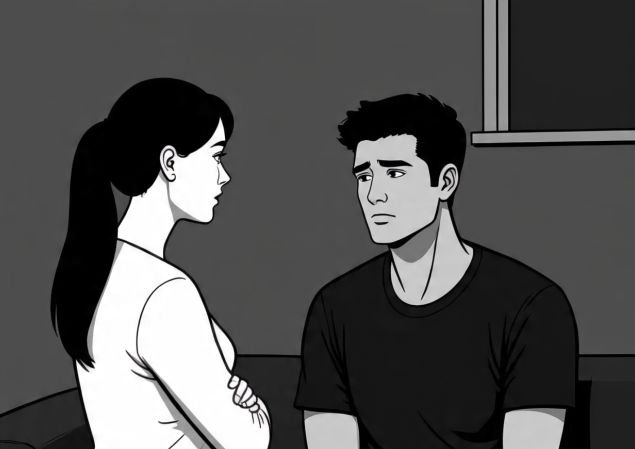
Learn how to spot people who drain your energy before they leave you exhausted, unfocused, and quietly steal your peace.
Anybody who does not add to your energy, of course, drains it or stagnates it.
Through experience, I have successfully shut people who drain my energy out without them feeling offended or me being condescending.
I didn’t always notice it at first. Some conversations just felt longer than they should, leaving me oddly tired for no clear reason.
There was this one person I spoke with regularly, every chat started normally, but somehow ended with me feeling drained, distracted, and a little off.
At first, I blamed other factors. But over time, I began to connect the dots.
It wasn’t random. It was a pattern tied to certain people and interactions.
That realization changed how I paid attention to my energy, my boundaries, and the subtle ways others could quietly take more than they give.
Table of Contents
What Does It Mean to Feel Drained by Someone?
Feeling drained by someone means their presence or interactions leave you mentally tired, emotionally overwhelmed, and physically low, reducing focus, mood, and overall energy levels
Feeling drained after certain interactions can confuse you at first.
The signs are not always loud, but your body and mind pick them up quickly, sending quiet signals.
Emotional vs Physical Exhaustion After Interactions
After spending time with certain people, energy drops in two ways.
Emotional exhaustion shows up as heaviness, low mood, or mental clutter.
Physical exhaustion feels like sudden tiredness, body weakness, or even headaches.
It is not about how long the interaction lasted, but how it affected your internal state and energy balance.
Subtle vs Obvious Energy Drain
Some people leave you drained in ways that are easy to spot. They complain, criticize, or demand attention.
Others do it quietly through passive comments, guilt, or a constant need for reassurance.
The subtle type is harder to catch, but the effect still builds, leaving you feeling off without a clear reason.
How Your Body and Mind React
Your body speaks before your mind fully understands. Signs like fatigue, irritation, lack of focus, and restlessness begin to show.
Concentration drops, patience gets thinner, and simple tasks feel harder.
These reactions act as warning signals, helping you notice when your energy is being pulled away.
Why Some People Drain Your Energy
People who drain your energy might not even be aware of how their behavior is affecting you.
These behaviors usually come from deeper patterns within a person.
In the course of compiling this post, here are some of the factors that make people drain your energy.
Lack of Self-Awareness
A lot of people are emotionally and socially daft. They do not notice how their words, tone, or behavior affect others, and that is a lack of self-awareness.
Conversations become heavy because they miss social cues and emotional signals.
This lack of awareness leads to repeated patterns like interrupting, oversharing, or complaining, leaving you mentally tired and emotionally stretched after spending time together.
Emotional Insecurity
Insecurity can show up as a constant need for validation, attention, or reassurance.
Interactions feel like emotional labor, as you are expected to comfort, agree, or support repeatedly.
This pressure builds tension, making conversations feel draining instead of balanced, and slowly affects your mood, focus, and emotional stability.
Habitual Negative Thinking
A negative mindset shapes how someone sees everything around them.
Problems get more attention than solutions, and even positive moments are dismissed.
Being around this pattern can influence your own thinking, lower your mood, and create mental fatigue, as your mind tries to process constant pessimistic views.
Learned Behavior From Their Environment
Behavior patterns can come from family, social circles, or past experiences.
If someone grew up around conflict, criticism, or constant stress, those habits may carry into current relationships.
Interacting with them can feel draining, as these learned behaviors repeat without awareness, affecting your emotional energy and mental clarity.
Recommended Posts
How to Express Emotions Verbally Without Blaming
How to Handle Difficult Conversations with Employees
How to Read and Respond to Feelings
Common Traits of Energy-Draining People
Certain behaviors repeat across people who leave you feeling tired after interactions.
They can manifest differently for different people, but these have been lived by me, and they almost always describe people who strip you of your energy, leaving you in a low mood.
They Hijack Conversations and Won’t Let You Talk
They dominate conversations, interrupt frequently, and shift every topic back to themselves, leaving little room for your voice.
This constant control makes interactions feel one-sided, unheard, mentally exhausting, and emotionally draining over time
They Always Make Conversations About Themselves
Conversations keep circling back to their stories, their problems, their wins.
Space rarely opens for your thoughts or experiences.
Replies feel rushed or ignored when you speak.
This one-sided pattern creates emotional imbalance, leaving you unheard, mentally fatigued, and less willing to engage over time.
They Constantly Complain
Complaints dominate nearly every interaction, from small daily issues to bigger life frustrations.
Little effort goes into finding solutions or changing habits. Listening starts to feel like a burden, not a connection.
This constant negativity can affect your mood, increase stress levels, and drain emotional energy quickly.
They Thrive on Drama
Small matters get stretched into big conflicts, and calm moments rarely last.
Drama becomes a pattern, pulling you into arguments, gossip, or unnecessary tension. Peaceful conversations feel rare.
This environment keeps your mind alert in the wrong way, creating stress, distraction, and emotional exhaustion after each interaction.
They Rarely Respect Boundaries
Personal limits around time, space, or emotional availability get ignored.
Requests may come at inconvenient moments, with pressure to respond immediately.
Saying no brings guilt-tripping or silent treatment.
This pattern slowly weakens your boundaries, leaving you feeling overwhelmed, used, and mentally drained from constant demands.
They Criticize More Than They Support
Feedback comes as subtle put-downs, masked as advice or concern.
Positive moments get overlooked, while mistakes receive focus.
Confidence begins to drop after repeated interactions.
Instead of feeling supported, self-doubt grows, making conversations feel tense and uncomfortable rather than safe and encouraging.
They Always Need Something From You
Contact usually happens when they need help, attention, or emotional support. Genuine check-ins feel rare or absent.
The relationship becomes one-sided, with you giving more than you receive.
This emotional dependence creates pressure, leaving you feeling responsible for their needs while your own energy slowly runs low.
Subtle Signs You Might Miss
Some warning signs show up quietly, long before you clearly notice energy drain. Paying attention to these small shifts helps you protect your mental health and emotional balance early.
You Feel Tired Before Even Meeting Them
Before meeting them, energy already feels low, motivation drops, and interest fades.
Anticipation brings stress, not excitement, showing your mind links them with emotional drain and fatigue.
You Rehearse Conversations in Your Head Beforehand
Before talking, thoughts run through possible responses, trying to avoid conflict or tension.
This mental rehearsal signals anxiety, pressure, and a need to manage their reactions carefully.
You Feel Relieved When They Leave
Once the interaction ends, a sense of relief replaces tension. Shoulders relax, breathing feels easier, and mental space clears, showing that their presence was quietly draining your energy.
Your Mood Drops After Interactions
After spending time together, the mood shifts downward without a clear reason.
Irritation, low energy, or mental fog appear, making simple tasks harder and reducing your emotional balance afterward.
How I Protect My Energy from These People
Here are some of the strategies I have learned over the years to protect my energy from such people, and it will work for you, too.
Setting Clear Boundaries
At first, saying no felt uncomfortable, but I started telling people when their requests didn’t fit my time or energy.
Keeping responses calm and consistent helped others respect my limits, and I noticed stress dropping immediately after.
Boundaries became my first line of defense against emotional drain. If you don’t fully understand boundaries, here is an article about personal boundaries.
Reducing Exposure
Some relationships had to be limited. I started skipping unnecessary calls or leaving group chats that left me anxious.
Even small steps like shorter visits or choosing when to engage created space to recharge, letting me keep focus without feeling pulled in every direction.
Staying Emotionally Neutral
Never allow an emotion to sneak in on you and make you take sides or react unconsciously.
You should always be totally in control of how situations make you feel.
This is one of the traits of the Stoics I have come to love. Read more of it here.
When drama appeared, I stopped reacting to every comment. Listening without absorbing tension became my habit.
It’s not easy, but observing calmly and keeping replies simple keeps their negativity from affecting my mood or my focus, helping me stay grounded.
Choosing My Circle Carefully
I noticed energy changed depending on who I spent time with.
Surrounding myself with people who listen, respect boundaries, and bring encouragement made a huge difference.
Choosing carefully means interactions feel balanced, and my energy stays intact instead of being drained.
When You Can’t Avoid Them
Some people are unavoidable, like coworkers, family members, or neighbors.
At first, it felt impossible to protect my energy, but small adjustments made interactions manageable and less draining.
Keep Interactions Short and Focused
Long conversations used to leave me tired and distracted.
I started sticking to clear topics, keeping chats brief, and steering discussions toward practical matters.
Short, focused interactions save energy and prevent unnecessary emotional strain without causing tension.
Avoid Deep Emotional Engagement
Certain people thrive on emotional reactions, but I learned to stay neutral.
Listening without offering too much personal emotion keeps their negativity from affecting my mood.
Avoiding deep emotional engagement protects mental clarity and prevents exhaustion after unavoidable meetings or calls.
Conclusion
Learning to spot people who drain your energy has completely changed how I interact with others.
Some relationships leave subtle tension, mental fatigue, and frustration behind, while others quietly steal focus and peace.
Protecting your energy is not selfish; it is necessary for clarity, productivity, and emotional balance.
Setting boundaries, reducing exposure, staying neutral, and choosing supportive connections make interactions manageable and even positive.
Even unavoidable relationships can feel less stressful with small strategies.
Start noticing the subtle signs, listen to your body’s reactions, and take control of your time and attention. Your peace is worth defending, begin today.

Pious Clements is the insightful voice behind "The Conducts of Life" blog, where he writes about life ethics, self-development, life mastery, and the dynamics of people and society.
With a profound understanding of human behaviuor and societal dynamics, Pious offers thought-provoking perspectives on ethical living and personal growth.
Through engaging narratives and astute observations, he inspires readers to navigate life's complexities with wisdom and integrity, encouraging a deeper understanding of the human experience and our place within society.