Last updated on June 24th, 2026 at 08:12 am
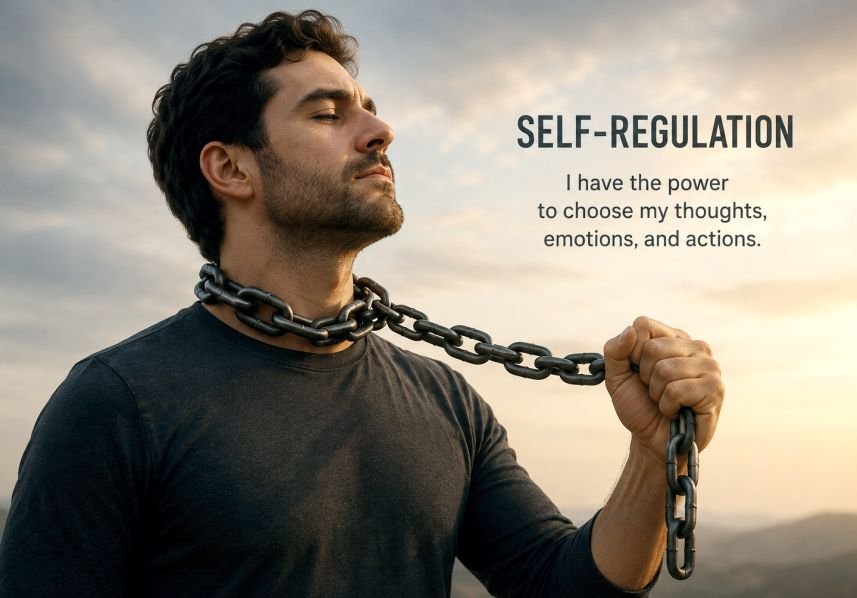
Self-Regulation determines how you react, make decisions, handle pressure, and stay consistent, helping you build discipline, emotional balance, healthier habits, stronger relationships, and long-term personal growth daily.
Self-regulation happens in the small moments that test your patience, your mood, and your choices.
It’s the pause before you speak, the control you use when emotions rise, and the discipline behind your daily habits.
When life feels stressful or unpredictable, this skill helps you stay steady and think clearly instead of reacting fast.
It influences how you handle people, pressure, and personal goals.
Building it changes how you move through daily challenges, one decision and one response at a time.
In this guide, we will discuss what it is, why it matters, signs and how to develop or strengthen it.
Table of Contents
What Is Self-Regulation?
Self-regulation is one of the tools of self-management, the ability to manage your emotions, reactions, thoughts, and behavior in healthy ways during stress, pressure, conflict, frustration, temptation, or emotionally difficult situations.
It is self-control, self-management and being able to restrain yourself consciously.
Better emotional control is the reason why you pause before speaking, avoid impulsive decisions, and think clearly before acting.
When you are strong with this skill, you don’t struggle with healthy habits, better communication, improved time management, emotional balance, mental wellness, and stronger personal and professional relationships.
How Self-Regulation Fits Within Emotional Intelligence
Self-regulation plays a major role in emotional intelligence because it helps you manage emotions without allowing them to control your behavior.
Stress, criticism, disappointment, and conflict can trigger emotional reactions quickly.
Good emotional intelligence helps you recognize those feelings, while self-regulation helps you stay calm, patient, respectful, and thoughtful during difficult conversations.
Also, self-control improves empathy, listening skills, conflict resolution, communication, trust, and relationship management.
The Difference Between Reacting and Responding
When discussing self-regulation, reacting and responding quickly come into view, because all are intertwined.
- Reacting usually happens quickly through emotion, while responding gives you time to think clearly before speaking or acting. Emotional reactions are commonly driven by anger, fear, stress, frustration, or embarrassment.
- Responding requires patience, emotional awareness, and self-control during difficult moments. Small habits like deep breathing, listening carefully, pausing briefly, or stepping away from tense situations can help you communicate better, reduce conflict, and make smarter decisions.
Signs of Poor vs Strong Self-Regulation
Self-regulation shows in your daily reactions, emotional control, stress handling, and consistency. It separates reactive behavior from calm, intentional choices in everyday situations.
Poor Self-Regulation
- Impulsive reactions: You act quickly without thinking, driven by emotion, leading to poor decisions, strained communication, and mistakes that could have been avoided with calm reflection.
- Emotional outbursts: Strong emotions take over easily, leading to shouting, anger, or frustration that disrupts relationships, breaks trust, and makes resolution harder afterward.
- Difficulty handling stress: Pressure feels overwhelming, creating confusion, anxiety, or avoidance, which reduces focus, clarity, and your ability to make steady decisions under stress.
- Saying things you later regret: Words come out in heated moments, often hurtful or careless, leading to guilt, apology, and strained relationships after reflection.
Strong Self-Regulation
- Staying composed in tense situations: You remain calm when emotions rise, keeping your tone steady, thoughts clear, and actions controlled during conflict or pressure.
- Thinking before speaking or acting: You pause to consider consequences, choosing words and actions carefully, which reduces conflict and improves communication and decision-making.
- Managing stress effectively: Stress is handled with awareness and control, using healthy coping methods that protect focus, clarity, emotional balance, and productivity.
- Maintaining consistency in behavior: Your actions stay steady across situations, showing discipline, reliability, and emotional control that build trust and stronger relationships over time.
The Core Elements of Self-Regulation
Self-regulation relies on key skills that help you manage emotions, control reactions, handle pressure, and stay consistent.
These elements guide daily decisions, behavior, and emotional stability.
Emotional awareness (recognizing triggers)
Emotional awareness helps you notice what triggers your feelings in different situations.
You start identifying anger, stress, or frustration early, which gives you space to pause, reflect, and choose calmer responses instead of reacting instantly.
Impulse control
Impulse control helps you resist sudden reactions driven by emotion or temptation.
Instead of speaking or acting immediately, you slow down, think about consequences, and make decisions that protect your goals, relationships, and long-term outcomes.
Stress management
Stress management involves handling pressure in a balanced way without losing emotional control.
You use healthy coping methods like breathing, planning, or pausing, which helps you stay focused, calm, and productive even in difficult or demanding situations.
Discipline and consistency
Discipline and consistency help you stay committed to positive habits and routines.
Even when motivation drops, you continue making responsible choices that support your goals, strengthen emotional control, and build stability in daily behavior and decisions.
Adaptability
Adaptability allows you to adjust your thoughts and actions when situations change. Instead of resisting or reacting poorly, you stay flexible, rethink your approach, and respond calmly, which helps you handle uncertainty and unexpected challenges effectively.
Common Triggers That Disrupt Self-Regulation
Certain situations can weaken your emotional control and push you toward impulsive reactions.
These triggers affect your patience, clarity, and decision-making, making it harder to stay calm, balanced, and intentional in daily life.
Stress and fatigue
Stress and fatigue reduce your ability to think clearly and manage emotions.
When your mind feels overloaded or tired, patience drops, reactions become faster, and small issues may feel bigger, leading to poor emotional control and decisions.
Criticism or conflict
Criticism or conflict can trigger defensiveness, anger, or frustration.
Instead of listening calmly, emotional reactions may take over, making communication harder and increasing tension in relationships, especially when feedback feels personal or unfair.
High-pressure environments
High-pressure environments create urgency that can overwhelm your thinking process.
Tight deadlines, expectations, or fast decisions may lead to impulsive actions, reduced focus, and difficulty maintaining emotional balance during demanding situations at work or daily life.
Lack of sleep or burnout
Lack of sleep or burnout weakens mental energy and emotional stability.
You may feel irritated, unfocused, or overwhelmed more easily, which lowers patience, reduces self-control, and makes handling stress or conflict much more difficult.
Triggers That Disrupt Self-Regulation
Certain situations can weaken your emotional control and push you toward impulsive reactions.
These triggers affect your patience, clarity, and decision-making, making it harder to stay calm, balanced, and intentional in daily life.
Stress and fatigue
Stress and fatigue reduce your ability to think clearly and manage emotions.
When your mind feels overloaded or tired, patience drops, reactions become faster, and small issues feel bigger, leading to weaker emotional control and poor decisions in daily situations.
Criticism or conflict
Criticism or conflict can trigger defensiveness, anger, or frustration.
Instead of listening calmly, emotional reactions take over, making communication harder and increasing tension in relationships, especially when feedback feels personal, harsh, or unfair in sensitive moments.
High-pressure environments
High-pressure environments create urgency that overwhelms your thinking process.
Tight deadlines, expectations, or fast decisions may lead to rushed actions, reduced focus, and difficulty maintaining emotional balance during demanding work situations or time-sensitive personal responsibilities.
Lack of sleep or burnout
Lack of sleep or burnout weakens mental energy and emotional stability.
You may feel irritated, distracted, or overwhelmed more easily, which reduces patience, weakens self-control, and makes handling stress or conflict much harder in everyday interactions.
Daily Habits That Strengthen Self-Regulation
Daily habits play a big role in improving emotional control, decision-making, and stress management.
Small routines build discipline, support mental clarity, and help you stay steady during pressure or emotional situations.
Regular reflection or journaling
Writing your thoughts helps you process emotions, notice triggers, and track behavior patterns.
Journaling improves emotional awareness, supports better decision-making, and helps you slow down before reacting during stressful or confusing situations in daily life.
Consistent sleep routine
A steady sleep routine supports mental clarity, emotional balance, and better impulse control.
Proper rest helps you stay patient, reduces irritability, and improves focus, making it easier to handle stress, conversations, and daily responsibilities calmly.
Physical activity
Regular movement supports emotional regulation by reducing stress and improving mood stability.
Exercise helps release tension, clears mental pressure, and strengthens your ability to stay calm and controlled during emotionally demanding or high-pressure situations.
Mindfulness or quiet time
Quiet moments give your mind space to reset, reduce emotional overload, and improve awareness of your reactions.
Simple breathing, sitting still, or reflection helps you respond calmly instead of reacting quickly during emotional triggers.
Limiting overstimulation (news, social media, noise)
Too much digital input or noise can overload your mind and weaken emotional control.
Reducing screen time, avoiding constant updates, and creating calm environments helps you think clearly, stay grounded, and manage reactions better throughout the day.
Self-Regulation in the Workplace
Self-regulation at work affects how you handle pressure, communicate with others, and manage responsibilities.
Strong emotional control supports better teamwork, clearer thinking, and more stable performance in fast-moving or stressful work environments.
Managing emotions during meetings and feedback
Meetings and feedback sessions can trigger stress, defensiveness, or discomfort.
Emotional control helps you listen fully, process information calmly, and respond with clarity instead of reacting emotionally, which improves communication and workplace relationships.
Handling pressure and deadlines
Work deadlines can create mental pressure that affects decision-making and focus.
Self-regulation helps you stay organized, prioritize tasks, and manage stress without panic, leading to steadier performance and fewer rushed or avoidable mistakes.
Responding to conflict professionally
Workplace conflict can lead to tension and emotional reactions if not managed well.
Self-regulation helps you stay calm, choose respectful words, and solve issues through discussion instead of arguments, protecting teamwork and professional trust.
Leading by example
Strong self-regulation shows in how you behave under pressure.
Calm decision-making, respectful communication, and steady performance influence others positively, encouraging a healthier work culture where emotional control and responsibility are valued in daily interactions.
Self-Regulation in Relationships
Self-regulation in relationships affects how you speak, listen, and handle emotional moments with others.
Strong emotional control helps reduce conflict, improve understanding, and support healthier connections built on patience, respect, and clear communication.
Communicating without escalating tension
Conversations can easily turn heated when emotions rise.
It helps you choose calm words, slow your tone, and avoid reacting sharply, which reduces misunderstandings and keeps discussions respectful even during disagreement or emotional topics.
Listening without reacting defensively
Defensive reactions can shut down communication and create distance.
Effective personal regulation helps you listen fully, stay open to feedback, and avoid jumping to conclusions.
It also allows clearer understanding and smoother conversations during sensitive or emotional exchanges.
Building mutual respect and trust
Healthy relationships depend on emotional control and consistent behavior.
Regulating oneself properly helps in responding calmly, keeping promises, and managing reactions, which builds trust, strengthens respect, and creates a more stable and supportive connection with others.
Challenges in Developing Self-Regulation
Building this skill takes time because emotional habits, stress, and daily pressures can interfere with your progress.
These challenges affect how you respond in real situations and make consistency harder when emotions rise.
Old habits and emotional patterns
Long-term habits and learned emotional reactions can trigger automatic responses before thinking.
These patterns make it harder to pause, especially during anger or stress, since your mind may default to familiar reactions instead of calm choices.
External stress factors
Work pressure, personal issues, financial concerns, or busy environments can weaken emotional control.
High stress reduces patience and clarity, making it harder to stay calm, think clearly, or respond thoughtfully during challenging moments.
Lack of self-awareness
Limited awareness of emotions and triggers makes it difficult to manage reactions.
Without noticing what causes stress or anger, responses become automatic, reducing your ability to adjust behavior or choose calmer reactions in real time.
Inconsistent practice
Self-regulation improves through repetition, but irregular effort slows progress.
Skipping reflection, ignoring coping habits, or only practicing during calm moments makes it harder to build steady emotional control during real-life pressure situations.
Conclusion
Self-regulation is reflected in how you pause, think, and act when emotions rise.
It guides your reactions in stress, your words in conflict, and your choices in daily routines.
Building it supports better emotional balance, stronger relationships, and clearer decision-making across work and personal life.
Small habits, steady awareness, and practice during tough moments improve how you respond under pressure. Each situation becomes a chance to act with more control, patience, and intention in everyday life.
References
10 Self-Regulation Skills and How to Effectively Teach Them
Understanding Self-Regulation Skills

Pious Clements writes about character, conduct, and the deeper questions of how a life is lived. He is the founder of The Conducts of Life, a site built on the belief that how you behave, not what you achieve, defines who you are. His writing draws from decades of observation, lived experience, and serious thinking about human nature, ethics, and self-development. He writes to be useful, not popular.